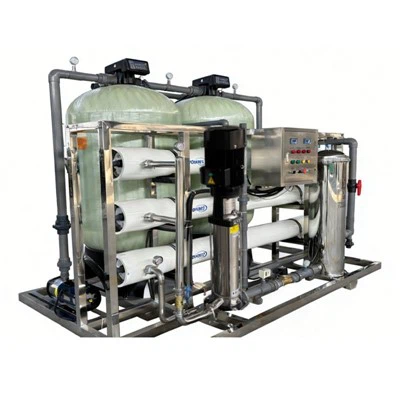
Hey there! As a supplier of RO purified water equipment, I often get asked how to pick the right system for a specific use. It’s not as simple as just grabbing the first machine you see. There are loads of factors to consider, so let’s dig into how you can make the best choice. RO Purified Water Equipment
Knowing Your Water Source
First thing’s first, you gotta know what kind of water you’re dealing with. The quality of your source water can vary big time, and it’ll have a huge impact on the type of RO system you need.
Tap Water
If you’re using tap water, it usually goes through some basic treatment. But it can still have things like chlorine, sediment, and dissolved minerals. You’ll need a pre – treatment system that can handle these. A sediment filter can catch the big particles, and an activated carbon filter can get rid of chlorine.
Groundwater
Groundwater might have higher levels of contaminants like iron, manganese, and hard minerals. Hard water can cause scale buildup in the RO membrane, which lowers its efficiency and lifespan. You might need a water softener or other specialized pre – treatment to deal with these issues.
Surface Water
Surface water from lakes, rivers, or ponds is often full of organic matter, bacteria, and sediment. It needs a more complex pre – treatment process, including coagulation, filtration, and disinfection before it can even go into the RO system.
Figuring Out Your Water Demand
How much purified water do you actually need? This depends on your application.
Residential Use
For a home, the demand is usually based on the number of people living there and their daily water usage. An average family of four might need around 100 – 200 gallons of purified water per day for drinking, cooking, and other domestic uses. A small – scale RO system with a capacity of 50 – 100 gallons per day might be sufficient.
Commercial Use
In a commercial setting like a coffee shop or a small restaurant, the water demand can be much higher. They use water for things like making coffee, tea, and for general kitchen tasks. A medium – sized RO system with a capacity of 200 – 500 gallons per day could be a good fit.
Industrial Use
Industries like pharmaceuticals, electronics, and food and beverage production have extremely high water demands. They need large – scale RO systems that can produce thousands or even millions of gallons of purified water per day.
Considering the Quality of Purified Water Needed
Different applications require different levels of water purity.
Drinking Water
For drinking, you want to get rid of harmful contaminants like bacteria, viruses, heavy metals, and chemicals. An RO system can remove up to 99% of total dissolved solids (TDS), which is usually enough to make water safe and great – tasting.
Medical and Pharmaceutical Use
In the medical and pharmaceutical fields, water has to meet extremely strict purity standards. It needs to be free of even the tiniest particles, bacteria, and pyrogens. You’ll need a high – end RO system with additional polishing steps like electrodeionization (EDI) to achieve the required purity.
Industrial Processes
Some industrial processes, like semiconductor manufacturing, need water with ultra – low levels of impurities. These applications often require multiple stages of RO purification, along with other advanced treatment methods.
Looking at the Features and Specifications
When you’re choosing an RO system, there are some key features and specs you should pay attention to.
Membrane Type
The RO membrane is the heart of the system. There are different types, like thin – film composite (TFC) membranes. TFC membranes are known for their high rejection rates of contaminants and good flow rates. They’re a popular choice for most applications.
Recovery Rate
The recovery rate tells you how much of the feed water is turned into purified water. A higher recovery rate means less water is wasted. But you gotta balance this with the quality of the purified water. Some systems can have recovery rates of up to 80% or more, but for certain water sources, a lower recovery rate might be necessary to prevent membrane fouling.
Pre – treatment and Post – treatment Options
As I mentioned earlier, pre – treatment is crucial. Look for systems that come with good sediment and carbon filters. Post – treatment options like UV sterilizers can also be added to kill any remaining bacteria in the purified water.
Evaluating the Cost
Cost is always a factor, but it’s not just about the initial purchase price.
Purchase Price
This is the upfront cost of the RO system. You can find basic residential systems for a few hundred dollars, while large – scale industrial systems can cost tens of thousands or more.
Operating Cost
The operating cost includes things like electricity to run the pumps, the cost of replacing filters and membranes, and the cost of water waste. Make sure to factor these in when comparing different systems.
Maintenance Cost
Regular maintenance is needed to keep the RO system running smoothly. You’ll need to replace filters and membranes at regular intervals. Some systems are easier to maintain than others, so consider the long – term maintenance cost.
Supplier Support and Warranty
When you’re buying an RO system, you want a supplier who can offer good support.
Technical Support
You might run into issues with the system, and you’ll need someone who can help you troubleshoot. A good supplier should have a team of experts who can answer your questions and provide guidance.
Warranty
A warranty gives you peace of mind. Look for suppliers who offer a decent warranty on the RO system. This can protect you from any major defects or problems in the early years of using the system.
Alright, so by now you should have a pretty good idea of how to select the right RO purified water equipment for your specific application. If you’re still not sure or you want more in – depth advice, reach out to us. We’re here to help you make the best decision for your water purification needs. Whether you’re a homeowner, a business owner, or an industrial operator, we’ve got the expertise and the equipment to meet your requirements. Let’s start a conversation and see how we can work together to get you the perfect RO system.
Deionized Water System References
- Water Quality Association – General information on water treatment and RO systems.
- American Water Works Association – Publications on water treatment technologies and standards.
Shandong Yanuo Environmental Protection Equipment Co., Ltd.
We’re well-known as one of the leading ro purified water equipment manufacturers and suppliers in China, featured by quality products and good price. Please rest assured to buy bulk ro purified water equipment made in China here from our factory. Customized orders are welcome.
Address: North Side of the Road, 1,000 Meters West of the Intersection of Fenghuangshan West Road and Provincial Highway S102, Wangfu Subdistrict, Qingzhou City, Weifang City, Shandong Province.
E-mail: ynhb.499973983@gmail.com
WebSite: https://www.zkyaruo.com/
