Hey there! I’m a supplier of stone grinding discs, and you know what? One question I get a lot from my customers is, "What is the hardness of a stone grinding disc?" It’s a great question, and today, I’m gonna break it down for you. Stone Grinding Disc
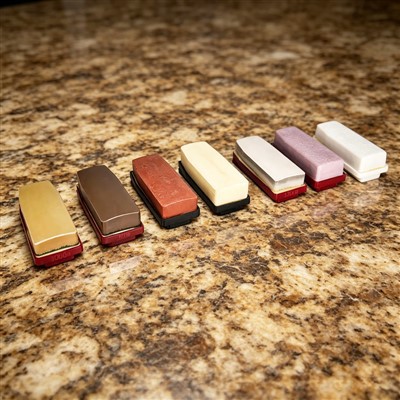
A stone grinding disc’s hardness is super important. It can significantly affect how well the disc works, how long it lasts, and what kind of stones it can handle. Let me explain this in more detail.
First off, hardness basically refers to how resistant the grinding disc is to wear and deformation. It’s all about the materials used in creating the disc. Most of the time, we use industrial diamonds, silicon carbide, or alumina to make these grinding discs, and each material has its own level of hardness.
Industrial diamonds are like the heavy – hitters in the world of stone grinding discs. They’re extremely hard, in fact, they’re the hardest natural material on Earth. When we use diamond in our grinding discs, they can easily cut through hard stones like granite, quartzite, and marble. The high hardness means that the diamond particles stay sharp for a long time, which is awesome because it keeps the grinding process efficient. You don’t have to keep changing the disc every few minutes. However, the cost of using diamond is also high, so diamond – based grinding discs can be a bit pricier.
Silicon carbide is another common material. It’s not as hard as diamond, but it still packs a punch. Silicon carbide grinding discs are great for grinding softer stones like slate, soapstone, and some types of limestone. They’re also useful for applications where you need a finer finish. For example, if you’re grinding a stone that’s going to be used for a decorative piece, a silicon carbide disc can give you a smooth and polished look. Plus, they’re usually more affordable than diamond discs, so if you’re on a budget, this could be a good option for you.
Alumina is a widely used material too. It’s somewhere in the middle in terms of hardness. Alumina grinding discs are versatile. They can handle a variety of stones, from medium – hard stones to some softer ones. They’re great for general – purpose grinding jobs. For instance, in a DIY project where you’re grinding a small piece of stone for a home improvement task, an alumina grinding disc would do the job just fine. They’re also known for their good heat – resistance properties, which helps prevent the disc from overheating during the grinding process.
Now, how do we measure the hardness of these grinding discs? Well, there are different scales. One of the most well – known is the Mohs scale. The Mohs scale ranks minerals from 1 (softest) to 10 (hardest). Diamond sits at the top with a hardness of 10, while talc is at the bottom with a hardness of 1. Although the Mohs scale is designed for minerals, it gives us a general idea of how hard the materials in our grinding discs are.
When you’re choosing a stone grinding disc based on hardness, you’ve got to think about the type of stone you’re working with. If you’re dealing with a really hard stone, you’re gonna want a disc with a high – hardness material like diamond. But if you’re working on a softer stone, a less – hard disc like one made of silicon carbide or alumina will do the trick, and you’ll save some money too.
Another factor affected by the disc’s hardness is the pressure you need to apply during grinding. With a harder disc, you can often use less pressure because it can cut through the stone more easily. On the other hand, a softer disc might require a bit more pressure to get the grinding done, but it also gives you more control in some cases.
I’ve seen some customers make mistakes when it comes to choosing the right hardness. Some people buy a really hard disc for a soft – stone job, thinking it’ll be better. But in truth, it can cause the stone to chip or crack, and it’s also overkill. Conversely, using a soft disc for a hard – stone task can lead to the disc wearing out quickly and not doing a good job at all.
As a supplier, I always try to educate my customers about these things. I want them to get the most out of our stone grinding discs. That’s why I’m here sharing all this info with you. If you’ve got a specific stone grinding project in mind, just think about the type of stone, the finish you want, and your budget. Then you’ll be able to pick the perfect grinding disc with the right hardness.
If you’re in the market for stone grinding discs, whether it’s for a big construction project, a small DIY job, or anything in between, don’t hesitate to reach out. We’ve got a wide range of grinding discs with different hardness levels to suit all your needs. We can offer you professional advice on which disc is best for your specific situation.
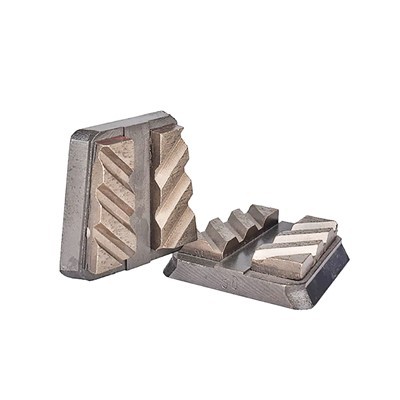
Let’s work together to make your stone grinding projects a success. Whether you’re a professional contractor or a hobbyist, we’ve got what you need. So, if you’re interested in learning more or making a purchase, just drop me a line. I’m here to help you find the perfect stone grinding disc for your job.
Metal Fickert Abrasive References
- "Materials Science for Engineers" – A general textbook that covers the properties of materials like diamond, silicon carbide, and alumina.
- "Stone Working Handbook" – A guide that provides information on different types of stones and the appropriate grinding tools for them.
Quanzhou Cheefung New Materials Co., Ltd.
As one of the most experienced stone grinding disc enterprises in China, we are able to meet the needs of the majority of our customers. Please feel free to wholesale advanced stone grinding disc made in China here from our factory. For price consultation, contact us.
Address: Jinshan Community, Licheng District, Quanzhou City, Fujian, China
E-mail: info@prostonetools.com
WebSite: https://www.prostonetools.com/
