Hey there! I’m a supplier of tundish refractory material. Over the years, I’ve seen firsthand how crucial the performance of these materials is in the steel – making process. So, let’s talk about the factors that influence the performance of tundish refractory material. Tundish Refractory Material
1. Chemical Composition of the Refractory
The chemical composition is like the DNA of the refractory material. Different chemical constituents bring different properties to the table.
For example, magnesia – based refractories are known for their high melting point and excellent resistance to basic slags. In a tundish, where basic slags are often present during steel – making, magnesia – based refractory can stand up well to the corrosive action of these slags. They have a strong ionic structure, which makes them stable at high temperatures and less likely to react with the slag components.
On the other hand, alumina – based refractories. They are also widely used. Alumina has good thermal shock resistance and mechanical strength. In a tundish, where there are rapid temperature changes when the molten steel is poured in and out, the thermal shock resistance of alumina – based refractories is a big plus. It helps the refractory to maintain its integrity and not crack easily due to the temperature differences.
Silica – containing refractories are another type. Silica is relatively inexpensive and has good insulation properties. But it has a lower melting point compared to magnesia and alumina. So, in a tundish, if the silica – based refractory is in direct contact with high – temperature molten steel, it might melt or react with the steel components, which can affect its performance.
2. Physical Structure and Porosity
The physical structure and porosity of the tundish refractory material play a huge role in its performance.
A dense refractory structure generally means better resistance to penetration by molten steel and slag. When the structure is dense, there are fewer gaps or pores for the molten substances to seep into. For instance, if a refractory has a lot of large pores, the molten steel and slag can easily penetrate into these pores. Once inside, they can cause chemical reactions with the refractory material, leading to corrosion and eventually the failure of the refractory.
However, a certain level of controlled porosity can also be beneficial. Some refractories are designed with a specific amount of fine pores. These fine pores can act as a buffer for thermal stress. During rapid temperature changes, the fine pores can absorb some of the stress, reducing the likelihood of cracking. But if the porosity is too high or the pore size is too large, it becomes a liability rather than an asset.
3. Temperature and Thermal Cycling
The temperature in a tundish is extremely high. Molten steel can reach temperatures of around 1600°C or even higher. The refractory material has to withstand these high temperatures without melting or losing its structural integrity.
If the refractory has a low melting point, it will start to soften or melt at the high tundish temperatures. This can lead to the formation of a liquid layer on the surface of the refractory, which can be easily washed away by the flowing molten steel, causing rapid degradation of the refractory.
Thermal cycling is also a major factor. Every time a batch of molten steel is poured into the tundish, the refractory experiences a rapid increase in temperature. Then, when the steel is emptied out, the temperature drops quickly. This repeated heating and cooling can cause thermal stress in the refractory. If the refractory doesn’t have good thermal shock resistance, it will crack under this stress. Cracks provide easy pathways for the molten steel and slag to penetrate deeper into the refractory, further accelerating its degradation.
4. Slag and Molten Steel Interaction
The interaction between the refractory and the slag or molten steel is a complex process that can greatly affect the performance of the refractory.
Slag has different compositions depending on the steel – making process. Acidic slags, basic slags, and neutral slags all react differently with the refractory material. Basic slags, for example, can react with silica – rich refractories. The basic components in the slag can react with the silica to form low – melting – point compounds, which can then be easily washed away by the molten steel.
Molten steel also contains various elements such as carbon, sulfur, and phosphorus. These elements can react with the refractory material at high temperatures. For instance, carbon can react with some refractories to form carbides, which can change the structure and properties of the refractory. Sulfur can cause sulfidation of the refractory, leading to corrosion and a decrease in its performance.
5. Installation and Maintenance
Proper installation is key to ensuring the optimal performance of tundish refractory material. If the refractory is not installed correctly, it can lead to uneven distribution of stress. For example, if the joints between different refractory bricks are not sealed properly, the molten steel and slag can leak through these gaps, causing damage to the surrounding structure and reducing the overall performance of the refractory lining.
Maintenance is also crucial. During the steel – making process, regular inspections should be carried out to check for any signs of damage, such as cracks or erosion. If any issues are detected early, appropriate measures can be taken, such as patching the damaged areas. Ignoring these early signs can lead to more severe damage and a shorter lifespan of the refractory.
6. Operating Conditions
The operating conditions in a steel – making plant can have a significant impact on the performance of tundish refractory material.
The flow rate of the molten steel is one important factor. A high – speed flow of molten steel can cause more erosion on the refractory surface. The kinetic energy of the flowing steel can mechanically wear away the refractory material. In addition, if the flow of the molten steel is turbulent, it can increase the likelihood of the steel and slag splashing onto the refractory walls, which can lead to more extensive corrosion.
The time of continuous use is another factor. The longer the refractory is in contact with the molten steel and slag, the more likely it is to degrade. Each time the refractory is exposed to high – temperature and corrosive conditions, it undergoes some degree of damage. Over time, these cumulative damages can lead to the failure of the refractory.
Conclusion
As you can see, there are multiple factors that influence the performance of tundish refractory material. From the chemical composition and physical structure to temperature, slag interaction, installation, and operating conditions, each aspect plays a vital role.
At our company, as a supplier of tundish refractory material, we take all these factors into account when developing and manufacturing our products. We use high – quality raw materials to ensure the right chemical composition. We have advanced manufacturing processes to control the physical structure and porosity of the refractories.
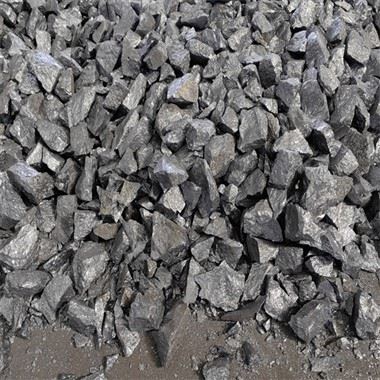
Silicon Metal We also offer technical support to our customers on installation and maintenance to make sure the refractory performs at its best. If you’re in the market for reliable tundish refractory material and want to improve the efficiency and lifespan of your tundish, don’t hesitate to reach out to us. Let’s have a chat and see how we can meet your specific needs.
References
- "Handbook of Refractory Materials"
- "Principles of Steel – Making and Refractory Applications"
- Industry research reports on tundish refractory materials
ZhenAn International Co., Limited
ZhenAn International Co., Limited is one of the leading tundish refractory material manufacturers and suppliers in China. We warmly welcome you to wholesale discount tundish refractory material in stock here from our factory. All our products are with high quality and competitive price.
Address: Huafu Commercial Center, Wenfeng District, Anyang City, Henan Province, China
E-mail: info@zaferroalloy.com
WebSite: https://www.ferro-silicon-alloy.com/
