Hey everyone, let’s cut to the chase—if you work with any kind of liquids (say, industrial chemicals, oils, cleaning solvents, even bulk water or wine), you’ve definitely dealt with that panic moment: a drum slips, a pipe leaks, or a container cracks, and suddenly you’re staring at a spill that’s spreading faster than you can grab a mop. As a spill containment pallet supplier, I get asked all the time: “Wait, how the heck do these things actually stop spills from turning into a disaster?” Let me break this down like I would for a new client who just got their first pallet and is checking it over. Spill Containment Pallet
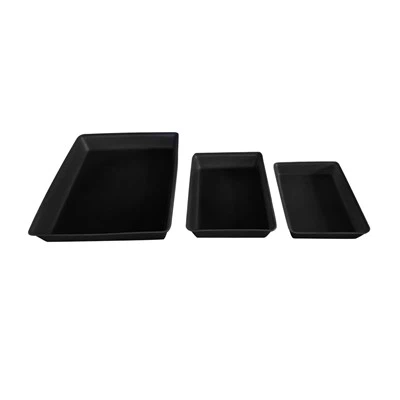
First off, let’s get one thing straight: spill containment pallets aren’t just those flimsy plastic trays you might see under a coffee pot at a gas station. Yeah, some small ones are, but the good ones— the ones that actually do the job—are built for heavy, high-stakes liquid loads, and every part is designed to contain spills before they spread. Let’s start with the basics: they’re not just a flat surface. Most quality pallets are molded or constructed with a “sump” (that’s the little recessed basin at the bottom) that holds anywhere from 5 gallons to like 100 gallons or more, depending on the size. Here’s the science part of why that works: when a 55-gallon drum of hydraulic fluid splits open on a pallet, the liquid doesn’t have anywhere to go except into that sump. It’s gravity, pure and simple—liquid flows downhill, and the sump is shaped to catch it all, no runoff onto the floor, no pooling under the pallet where it can seep into concrete or get dragged around by forklifts. I’ve seen this in action a hundred times: a warehouse worker drops a drum of antifreeze, the pallet catches every drop, no slip-and-fall, no environmental mess, no call to the hazmat team at 2 a.m.
Wait, but what if you have multiple containers on a pallet? Like, a rack of 1-gallon chemical jugs for a janitorial closet, or four 5-gallon pails of pesticides for a farm. The best pallets have a grid or “bumpers” (the little plastic dividers that hold each container in place) that keep the drums or jugs from tipping over in the first place. Let’s be real—most spills don’t come from a container just sitting there; they come from it tipping during a forklift move, when you’re loading it into a truck, or even just when someone bumps it with a cart. Those dividers (some are adjustable, by the way, so you can use the same pallet for different size containers) keep everything secured, so even if a jug’s lid comes loose, the liquid stays right where it is, not sloshing over the edge into the hallway. I always tell my clients: “A pallet that stops spills starts with stopping spills before they happen, not just containing them after.”
Another big one: chemical resistance. A lot of people think, “Oh, it’s just plastic, right?” No. If you put a pallet made of cheap, regular plastic under a drum of concentrated sulfuric acid, that pallet will dissolve before you can say “spill.” The pallets we sell are made with high-density polyethylene (HDPE) for most standard chemicals, and we also have specialty pallets for things like harsh solvents, fuel, or even corrosive acids. That means the pallet itself doesn’t break down when it comes into contact with the liquids it’s holding—so the sump doesn’t crack, leak, or erode, which would let the spill spread anyway. I once had a client who tried a cheap pallet from a big box store for their cleaning chemicals; after three months, the sump had a tiny crack, and they had a small spill that went onto the warehouse floor, requiring a full cleanup. They came to me later, and now they use our HDPE pallets—no issues in two years. That’s the kind of real-world proof I talk about, not just lab numbers.
What about when you’re moving the pallet? Forklift access is a huge part of stopping spills from spreading, too. All the pallets we supply have forklift pockets (the standard 4-way pockets, so you can lift them from any side, not just two) that make moving them easy, no tilting, no tipping. If you have a spill, you don’t want to be fumbling with a pallet that only works from one side, because you’ll drop it, and now the liquid is everywhere. 4-way pockets mean you can slide the forklift forks in quick, lift the pallet and the containers, and move it to a safe, designated cleanup or storage area without the liquid sloshing out. I can’t tell you how many times I’ve heard, “We avoided a spill getting worse because we could move the pallet fast with the forklift.” That’s a feature that people sleep on until they need it.
Wait, also—what about overfills? A lot of industries, like food and beverage or chemical manufacturing, have to deal with overfilled drums. If a drum is too full, and you roll it onto a regular floor, the excess liquid will just pour out. But a spill containment pallet has a load capacity that’s designed to hold not just the weight of the containers, but any overflow. So if someone overfills a drum by a gallon, that gallon doesn’t go onto the floor—it goes into the sump. Some pallets even have secondary containment, meaning they have a barrier around the edges of the sump that’s higher than the sump’s bottom, so even if the sump gets full, the barrier holds the rest. It’s like a double safety net.
Let’s get into the nitty-gritty of how spills spread, because that’s the whole point here. Spreads happen for three main reasons: 1) gravity pulling liquid downhill, 2) surface tension letting liquid flow across flat surfaces, and 3) objects tipping or moving that knock containers loose. Good spill containment pallets target all three. First, they’re raised on legs or stands, so the sump is above the floor, and there’s no chance of liquid seeping through gaps in the floor (like concrete cracks) that would let it spread under the pallet. Wait, that’s another thing—cheap pallets that sit flat on the floor don’t have that lift, so if there’s a crack in the concrete, liquid can get under the pallet and spread. Our pallets have 4-inch or 6-inch legs, so the sump is completely above the floor, no chance of that. Second, the material we use is non-porous—no gaps, no tiny holes, so liquid can’t seep through the pallet to the floor. Regular wooden pallets, by the way? They’re porous, and if a chemical gets on them, it will soak through, so even if you have a wooden pallet under a drum, the spill is spreading into the wood and onto the floor. That’s why all the pros use plastic or steel containment pallets—we’ve had way too many clients come to us after using wood and dealing with that exact problem.
Steel pallets? Yeah, we sell those too, for heavy industrial use. Steel is super durable, can hold way more weight, and is great for things like fuel drums or very heavy chemicals. They work the same way: a sump, barriers, forklift pockets, non-porous surface. The difference is that steel is more scratch-resistant, so if you’re moving really heavy loads, it won’t crack or break as easily as plastic. But both plastic and steel pallets do the same core job of stopping spills from spreading, they just fit different needs.
I know some people are like, “Why do I need a containment pallet? I can just use a floor drain.” Here’s the thing: floor drains are designed for small spills, or when you’re hosing down a floor. They’re not designed to hold 10 gallons of hydraulic fluid, and they definitely don’t have barriers to keep liquid from flowing away. Also, if a spill is hazardous (like lead acid from batteries, or volatile solvents), you don’t want it going into a drain—you have to contain it to dispose of it properly. A pallet lets you do that, so you don’t have to worry about the EPA coming after you for improper disposal, or your workers getting sick from fumes. I had a client in the automotive industry who tried using floor drains for their oil drums—they had a spill that sent 20 gallons of oil into the drain, which ended up in a local creek. They got a huge fine, and had to pay for a whole cleanup. Now they only use our containment pallets, and they haven’t had an issue since. That’s not just a “nice to have”—it’s a legal and safety thing too.
Let’s talk about maintenance, because people often forget that a pallet only works if it’s used right. The good news is, they’re super low-maintenance. You just need to inspect them regularly—look for cracks in the sump, check that the dividers are intact, make sure the forklift pockets aren’t bent. If you use it right, a quality pallet will last for years. I have a client who’s had our pallets for seven years, they use them every day, and they’re still in great shape. The cheap ones? They crack within a year, and then they’re useless. That’s why I always tell clients: buy once, cry once. Our pallets might cost a little more upfront, but they save you money on cleanup, fines, and replacement down the line.
So putting it all together: spill containment pallets prevent spills from spreading by targeting every way a spill could get loose. They catch liquid with a gravity-driven sump so it can’t flow downhill. They secure containers with dividers so they don’t tip and cause a spill in the first place. They’re made with chemical-resistant, non-porous material so they don’t break down or let liquid seep through. They have forklift pockets so you can move the full pallet fast to avoid spread. They have barriers for overfills, and they’re raised off the floor so they don’t let liquid seep into concrete cracks or under the pallet. They’re not just a tray—they’re a safety tool built for real, messy industrial work.

If you’re dealing with liquids in your warehouse, farm, shop, or anywhere else, and you’re tired of worrying about spills spreading, hit me up to chat about what kind of containment pallet works for your needs. We don’t do one-size-fits-all, and we’ll help you figure out exactly what you need to keep your space safe, compliant, and spill-free.
Plastic Pallet Box References
- Occupational Safety and Health Administration (OSHA). Spill Prevention, Control, and Countermeasure (SPCC) Guidelines.
- Environmental Protection Agency (EPA). Small Business Environmental Assistance Program: Spill Prevention and Response.
- American Society of Testing and Materials (ASTM). Standard Specification for Secondary Containment Devices for Hazardous Materials.
- National Fire Protection Association (NFPA). Fire Protection for Storage of Flammable and Combustible Liquids.
Enlightening Pallet Industry Co., Limited
Enlightening Pallet Industry Co., Limited is one of the most professional spill containment pallet manufacturers and suppliers in China, featured by quality products and competitive price. Please rest assured to wholesale cheap spill containment pallet for sale here from our factory.
Address: No.339 Hui Xian Road, Jiading District, Shanghai
E-mail: elaine@cnplasticpallet.com
WebSite: https://www.binpallet.com/
