If you’ve ever stared at a jar of dried morel mushrooms in your pantry, wondering why one recipe calls for a 10-minute simmer while another requires a 45-minute braise, you’re not alone. As a dried morel mushroom supplier, I get dozens of questions a week from home cooks, line cooks, and even small-scale restaurant chefs asking the same thing: why is there such a huge gap in cooking times for these golden, earthy fungi? The short answer is that morel cooking time isn’t one-size-fits-all—it depends on how you rehydrate them, the recipe’s end goal, and how you’re pairing them with other ingredients. After sourcing morels from sustainable foragers in the Pacific Northwest for over a decade, I’ve seen firsthand how small tweaks to prep and cooking methods can turn a tough, chewy morel into a tender, umami-packed centerpiece, or even a silky addition to a sauce. Dried Morel Mushroom
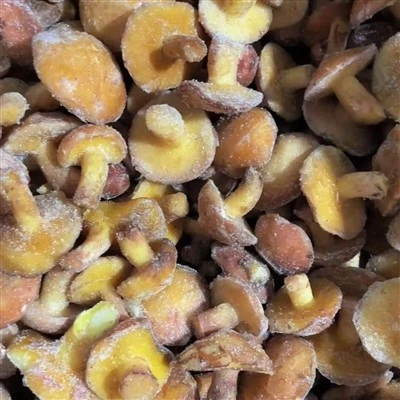
First, let’s talk about the most common prep step that shapes cooking time: rehydration. This is non-negotiable for dried morels—you can’t toss them straight into a sauté or soup the way you can with fresh morels, because their tightly packed, honeycombed caps trap dust, debris, and a dense, woody core that needs to soften. Most home cooks know to soak dried morels in warm water, but what they don’t realize is that the temperature, volume, and even type of liquid you use here directly cuts down on the time they need to cook later. For example, a quick 10-minute soak in hot (not boiling!) water will plump a morel enough for a fast stir-fry, where the mushroom just needs to warm through and crisp slightly at the edges. But a slow 30-minute soak in room-temperature vegetable stock, or even milk, is ideal for stews or gravies, where the morel will break down a little and infuse the liquid with its deep, nutty flavor. I’ve had foragers tell me they’ll actually soak morels in cold water overnight for foraged recipes, and that prep step means the mushrooms need almost no extra cooking time—they’re tender the second you put them in the pot. That’s the first big variable: how much time you spend rehydrating dictates how much time you’ll need to cook them.
Next, the recipe’s final use case is the biggest driver of cooking time, and I’ve categorized this by the most popular morel uses I supply to chefs for, to make it concrete. Let’s start with fast, high-heat recipes: stir-fries, quick sautés, and pizza toppings. For these, most recipes call for only 5 to 10 minutes of total cooking time, and that lines up exactly with a quick rehydration. The goal here is to keep the morel’s shape intact, retain its slight bite, and add umami without making it mushy. I recently talked to a line cook at a farm-to-table restaurant in Portland who uses my dried morels for their seasonal morel and asparagus stir-fry. They soak the morels for 10 minutes in hot water, squeeze out all excess liquid (critical—if you leave that water in, the morels will steam instead of sauté, which adds time), then toss them into a hot pan with garlic and butter for 7 minutes total. Any longer than that, they say, and the morel gets rubbery and loses that delicate earthy flavor that pairs so well with bright asparagus. For pizza toppings, it’s even shorter—they’ll rehydrate the morels for 8 minutes, pat them dry, and bake them right on the pizza for 6 to 8 minutes in a 450-degree oven. No extra cooking needed, because the oven’s heat is enough to finish softening them while the pizza bakes. That’s the sweet spot for fast dishes: short prep, short cook time, maximum texture.
Then there are medium-cook dishes, like pasta sauces, risottos, and light soups. For these, cooking times usually fall between 15 and 25 minutes, and the rehydration here is a little longer to match. A lot of home cooks make the mistake of under-soaking morels for risotto, then ending up with hard, gritty bits in their creamy rice. I recommend a 15-minute soak in warm broth for these recipes, and then adding the rehydrated morels to the risotto about halfway through the cooking time—usually when you’re adding the third ladle of broth. That way, the morels absorb the creamy, savory risotto flavor, and they cook just enough to soften all the way, without turning mushy. For mushroom and wild rice soup, which is another big one for morels, I’ll often suggest adding the rehydrated morels when you add the rice, so they simmer for 20 minutes alongside the rice. If you cook them longer than that, say 30 minutes, the morel caps start to fall apart, leaving tiny, bitter specks in the soup that are hard to strain out. I’ve had one regular customer, a home baker who makes morel mac and cheese, tell me they cook the morels for 18 minutes total in the cheese sauce, and that’s the sweet spot—tender, but with a little texture that stands up to the creamy pasta.
The longest cooking times come in slow-cooked dishes: braises, stews, and meat pairings like morel-stuffed pork chops. For these, you’re usually looking at 30 to 60 minutes of total cook time, and the rehydration step is usually the slowest—often 20 to 30 minutes in warm or room-temperature liquid, sometimes even longer. The reason here is twofold: first, slow cooking breaks down the dense, woody interior of dried morels that can’t be softened with a quick soak, and second, the morel needs to infuse the whole dish with its deep, rich umami. I supply morels to a popular steakhouse in Chicago that uses them in their red wine braised short rib recipe. They soak the morels for 25 minutes in warm beef stock, then add them to the braising liquid along with the short ribs, and cook the whole thing for 90 minutes total. They told me that if they cut that cook time to 45 minutes, the morels still have a tough core and don’t add enough flavor to the sauce. On the flip side, they’ve tried cooking them for over two hours, and the morels get mushy and lose their bright, earthy note, turning the sauce gray in the process. For stuffed morels, another common dish, the cook time is usually 35 to 40 minutes—since you’re stuffing the caps with breadcrumbs, cheese, and herbs, you need enough time for the inside of the morel to warm through and the stuffing to get crispy, without burning the caps.
There are also a few common misconceptions about morel cooking time that I see all the time, especially from new cooks who are just switching to dried morels because they’re more affordable and easier to source than fresh. One big one is that all morels need to be cooked for the same amount of time, no matter what. That’s not true—smaller morels, which are usually 1 to 2 inches long, will cook in half the time of larger, 3 to 4 inch morels, because they have a smaller core. I always tell customers to sort their morels by size after rehydrating, so they can add the smaller ones to fast dishes and the larger ones to slow braises. Another misconception is that you have to boil dried morels to cook them—boiling actually makes them tough, because the high heat breaks down their delicate cell walls, and it also leaches out a lot of the flavor into the water. That’s why I always recommend simmering or sautéing, even for slow-cooked dishes. A third mistake is not patting rehydrated morels dry before cooking. If you leave excess soak water on them, they’ll steam instead of sauté or braise, which adds 5 to 10 minutes of unnecessary cooking time and dilutes their flavor.
As a supplier, I also work with a lot of professional chefs who adjust morel cooking time based on the region they’re cooking in, and even the season. For example, chefs in the South, where home cooking leans toward slow, hearty dishes, often cook dried morels for a full hour in gumbo or jambalaya, to get them to tenderize completely and infuse the spicy, savory broth. Chefs in the Northeast, where lighter, seasonal fare is popular, use the same morels in 10-minute sautés for spring salads, cutting their cook time by half. That’s the beauty of dried morels—they’re versatile enough to adapt to whatever recipe you’re making, as long as you adjust the prep and cook time to match.
If you’re still unsure about how to time your morels, the best rule of thumb I’ve picked up over years of working with morel foragers and chefs is this: when in doubt, taste a piece. Dried morels, when rehydrated properly, should have a tender, slightly springy texture, no chewy core, and a deep, earthy flavor with no bitter aftertaste. If your morels are still tough, add 5 more minutes of cooking time; if they’re mushy and falling apart, take them out of the heat immediately. And don’t forget that a little more time during rehydration can save you a lot of time at the stove—even a 10-minute soak makes a bigger difference than an extra 5 minutes of cooking.
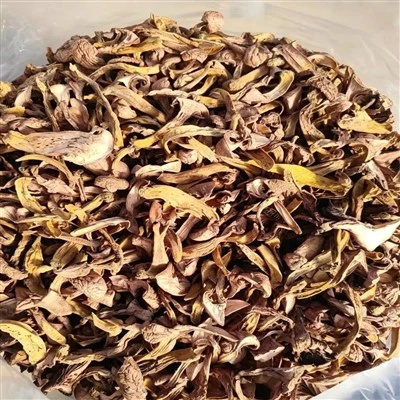
At the end of the day, dried morel mushrooms are one of the most forgiving wild fungi you can work with, as long as you respect their unique texture and flavor. Whether you’re making a quick weeknight stir-fry, a holiday braise, or a creamy pasta for date night, adjusting your cooking time to match the recipe’s end goal is the key to getting that perfect, umami-packed bite. If you’re a chef, line cook, or home cook looking for high-quality dried morels with consistent texture that make timing easy, we’d love to connect to discuss how our product can fit your recipes.
Dried Morel Mushroom References:
- Arora, D. (1986). Mushrooms Demystified: A Comprehensive Guide to the Fleshy Fungi. Ten Speed Press.
- Peintner, U., & Imani, J. (2011). Morel Mushrooms: Biology and Ecology. Fungal Biology Reviews, 25(2), 68-77.
- National Center for Home Food Preservation. (2022). Dried Mushrooms: Rehydration and Preparation for Cooking. University of Georgia Extension.
- Professional Chef’s Association. (2023). Wild Mushroom Handling and Cooking Best Practices. American Culinary Federation.
Qingyuan Manchu Autonomous County Lichang Native Produce Co., Ltd.
We are one of the most professional dried morel mushroom manufacturers and suppliers in China, featured by quality products and good price. Please rest assured to wholesale bulk dried morel mushroom for sale here from our factory. Welcome to view our website for more information.
Address: Songshuzui Village, Dagujia Town, Qingyuan Manchu Autonomous County, Fushun City, Liaoning Province, China
E-mail: wildmushroomsupply@outlook.com
WebSite: https://www.wildmushroomsupply.com/
