Hey guys, if you’ve ever followed a tomato from a farm in Central America to your grocery store shelf, or a sack of wheat from a Kansas field to a bakery downtown, you’ve been part of an agricultural chain. I’ve been on the supply side of this for 7 years now, and let me tell you—no one tells you how much of this job is just managing risk. Last year, I had a whole shipment of organic romaine rot before it even left the farm because of three straight weeks of unseasonable rain. That’s the kind of curveball that keeps me up at 2 a.m., scrolling through weather apps and texting my farmer contacts. So today, I wanna break down how we actually handle all this chaos, straight from the trenches of being an ag supply chain vendor, no fancy textbook jargon (okay, maybe a little, but we’ll keep it real). Agricultural Chains
First off, let’s get one thing straight: agricultural risk isn’t just “bad weather.” It’s a whole list of stuff that can derail everything faster than a tractor on wet mud. There’s weather, obviously—droughts, floods, early frosts. Then there’s supply chain kinks: port delays, truck driver shortages, even a factory closing that makes packaging impossible. Market stuff too—last year, the price of soybeans dropped 20% in a week because China shifted its imports, and we had a bunch of contracts locked in at the old rate. Oh, and quality issues—like when a batch of apples gets rejected for not meeting size standards, and suddenly you’ve got thousands of pounds of produce that can’t be sold. For us as a supplier, our whole job is to not just navigate these risks, but to make sure our customers (the grocery stores, food processors, even little specialty shops) don’t get burned by them too.
Let’s start with the big one: weather. You can’t control the rain, duh, but you can plan for it. A few years back, we stopped working with just one farmer per crop, even if they had the best track record. Now, for every 100 acres of lettuce we source, we split it between three different farms within a 2-hour drive. Why? If one farm gets flooded, the others might be fine. We also pay for hyper-local weather data, not just the national forecast. Like, there’s this app that sends us hourly updates for each individual farm’s weather station—if a frost is predicted next Tuesday for Farm A, we can help them cover the crops with tarps in time, or redirect that batch to a customer that needs it earlier if we know the harvest will be delayed. Last season, when that heatwave hit the Midwest that made corn prices skyrocket, we’d already locked in contracts with farms in Nebraska and Iowa, so we didn’t have to panic-scramble for extra product like some of our competitors did. Another trick we use for produce that’s sensitive to temperature? We have a network of third-party cold storage facilities along our main shipping routes. If a truck breaks down on I-80 and we can’t get the load to the warehouse, we can reroute it to a nearby cold storage spot for a day or two instead of letting it go bad. That saved us $40k in mangoes one summer—worth every penny of that monthly storage fee.
Next up is supply chain disruptions, which have been a headache ever since 2020, am I right? Before that, I kinda thought “port delays” was just something that happened in movies. Now? We have a backup for every part of our shipping process. We work with two different trucking companies, not one—even if one has a fleet breakdown, the other can cover routes last minute. For international shipments, we use both ocean freight and air freight, even if ocean is cheaper. Yeah, air is more expensive, but if a shipment of organic blueberries is rotting in a port for 10 days, the loss is way worse than the extra air cost. We also build buffer times into every timeline. Normally, a shipment from Mexico to Texas takes 5 days—we add 3 extra days to our planned timeline, just in case there’s a border delay or a port backlog. It’s a small thing, but it means we don’t have to call our customer at 3 a.m. saying “the load’s stuck, sorry.” Last year, when a shipping strike on the West Coast shut down 12 ports for a week, we’d already shifted all our incoming shipments to the Gulf Coast, so we never missed a delivery to any of our clients. That’s the stuff that keeps our repeat business high, trust me.
Market risk is another big one, and it’s where a lot of new suppliers mess up. A few years ago, I made the mistake of locking in a 6-month contract for wheat at $7 a bushel, thinking prices would keep going up. Turns out, Ukraine’s harvest was better than expected that year, and prices dropped to $4.50 a bushel by the end of the contract. I lost almost $100k on that one. Now, we use a mix of fixed-price contracts and flexible agreements. For staple crops like corn that have pretty stable long-term prices, we do fixed contracts for 6 months. For more volatile stuff like specialty herbs or fresh berries, we do flexible pricing, where we agree on a base rate but adjust if the market shifts more than 10% in either direction. We also use small hedges on some commodities, nothing crazy—just enough to cover us if prices swing too hard. And we track market trends like hawks: last quarter, we noticed that demand for organic oats was spiking because of a viral TikTok trend, so we locked in contracts with oat farmers before prices went up. That’s the kind of quick thinking that turns risk into an opportunity, y’know?
Quality and compliance risk is another layer I don’t hear people talk about enough. If a batch of produce fails a food safety test, that’s not just a lost shipment—it can get our whole company blacklisted from customers. So we don’t just do a single inspection at the farm; we do three. First, the farmer’s own pre-harvest check (we give them a free third-party inspection tool to make it easy). Then, a check right when the crops are picked, before they go into the truck. And a final check when they get to our warehouse. Last year, we found a tiny bacteria count in a batch of spinach before we shipped it—would’ve been a nightmare if we’d sent that out. Instead, we worked with the farmer to adjust their irrigation practices, and we made sure that batch went to a juicing plant that doesn’t sell raw produce directly to consumers. That saved us from a huge PR mess, and the farmer even thanked us later because we helped them fix their process instead of cutting ties. We also stay on top of all the new food safety regulations—last year, the USDA changed their rules on traceability for leafy greens, and we spent a month updating our whole system so we could track every single head of lettuce from farm to shelf in 2 hours. Competitors who waited until the last minute had shipments held up at borders, so we ended up picking up a few of their clients. Cool, right?
Wait, let’s not forget about human error. Even with all the tech and plans, something’s gonna go wrong because someone typed the wrong zip code or missed a text. We try to mitigate that by having open communication with everyone we work with—our farmers, our drivers, our warehouse team. We have weekly check-ins, not just when there’s a problem. And we keep everything digital now, so there’s no more lost paper contracts or miswritten delivery notes. I also make sure my team is cross-trained: if one person usually handles shipping, another person knows how to do their job, so if someone calls out sick last minute, nothing falls through the cracks. A few months back, our main shipping coordinator had a family emergency and had to leave town the day a huge shipment of pumpkins was supposed to go out. Because the backup knew exactly what to do, we got all the pumpkins to the grocery stores on time, no missed deliveries, no lost product. That’s way better than having to tell 10 clients “we can’t get your pumpkins this week.”
At the end of the day, all these risk management tactics aren’t just about protecting my business—they’re about protecting our customers too. When a café orders 50 pounds of fresh herbs for their menu, they can’t afford to show up without their ingredients. When a food bank needs 2,000 pounds of potatoes for families that weekend, that’s not just a product, that’s food for people. As an agricultural chain supplier, our job is to make sure that the stuff that grows in the field gets to the people who need it, even when the weather is weird, the markets swing, or the supply line gets messy. It’s not perfect—we still have slip-ups, last month we got a delay on strawberries and had to give our loyal customers a small discount—but we show up, we communicate, and we fix it.

If you’re a grocery store owner, food processor, or anyone who needs a reliable partner to get fresh, high-quality agricultural products on time, I’d love to chat. We don’t do one-size-fits-all solutions, we tailor our plans to fit your needs, and we’ve got a track record of handling all the curveballs that come with ag supply chains. Hit us up to talk through how we can make your operations smoother, no pressure, just real talk about getting the job done.
Industrial Chains References:
- Food and Agriculture Organization of the United Nations. (2022). Risk Management in Agricultural Supply Chains. Rome: FAO.
- National Agricultural Statistics Service. (2023). Agricultural Weather Risk and Mitigation Practices. Washington, DC: USDA.
- Supply Chain Management Review. (2021). Adapting to Disruptions: Lessons from Agribusiness Post-Pandemic. Chicago: Supply Chain Media.
- International Fresh Produce Association. (2022). Food Safety Traceability Standards for Fresh Produce. Washington, DC: IFPA.
Hangzhou Dongteng Industrial Co., Ltd.
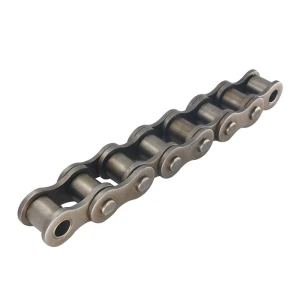
As one of the most professional agricultural chains manufacturers and suppliers in China, we have world-leading production equipment and strong manufacturing capabilities. Please feel free to wholesale high quality agricultural chains made in China here from our factory. Also, custom service is available.
Address: Jingdong Village, Jingjiang Town, Xiaoshan District, Hangzhou City
E-mail: cocowu@dtc-chain.com
WebSite: https://www.dtc-chains.com/
