If you’ve ever stood in the convenience store at a busy gas station, watching a fuel pump spin gallons into a customer’s tank, or seen an attendant juggle multiple transactions, fuel inventory checks, and regulatory logs, you’ve probably wondered how station operators keep all that information straight. As a provider of gas station management systems (GSMS) for over a decade, this is a question I hear all the time—from new station owners just opening their first location, to seasoned operators with 10+ sites across the state. A common, simple version of that question is: Does a gas station management system actually provide real-time data? The short answer is yes—but it’s not a one-size-fits-all answer, and how that real-time data works (and what it can actually do for your station) depends on how the system is built, what hardware it’s integrated with, and how operators choose to use it. Let me break this down, because when you’re running a gas station, delayed data isn’t just an inconvenience—it can cost you money, lead to inventory shortages, or even run you afoul of local fuel regulations. Gas Station Management System
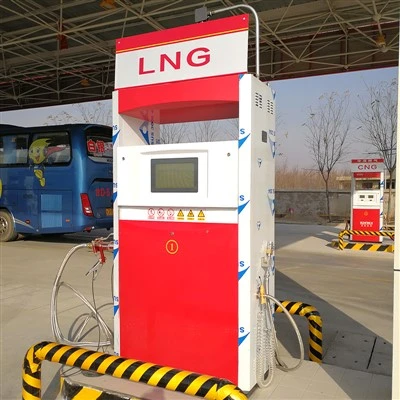
First, let’s define what “real-time data” actually means in the context of a gas station, because not every vendor uses the term the same way. For many years, old-school gas station systems worked on batch processing: they’d pull data from pumps, cash registers, and tank level sensors a few times a day, usually overnight, and compile it into a report. If a pump malfunctioned mid-day, it might not show up in that batch update until 12 hours later—meaning you could be giving away free fuel without knowing it, or not catching a sensor error that leads to inaccurate fuel counts. Real-time data, for our purposes, is data that is transmitted from the station’s hardware to the central system (and vice versa) within 10 to 30 seconds of an event happening. For a high-volume station, that’s a huge difference.
Let’s start with the core hardware integration that makes real-time GSMS work. At a minimum, a modern GSMS has to be connected to two critical sets of equipment at the station: fuel dispensers (the pumps themselves) and underground storage tanks (USTs). The fuel dispensers have electronic sensors that track every gallon pumped, the time of the transaction, the fuel grade, and even the card type used (credit, debit, fleet). Most old dispensers used analog sensors that only logged data locally, but new dispensers come with digital communication ports, and even older ones can be retrofitted with modules that let them send data over a local network. Then there are the tank level monitors—usually ultrasonic sensors that sit inside the tank, measuring fuel volume with high precision, and temperature sensors to account for fuel expansion or contraction (a key point for accurate inventory counts, since fuel volume changes with weather). These sensors aren’t just for checking if you’re running low on gas; they’re also required by state and federal agencies to keep accurate fuel inventory logs, and real-time data from these sensors means you don’t have to do manual tank soundings every week, which are slow and prone to human error.
Here’s a concrete example: Last year, we worked with a 6-pump station in rural Ohio that was using a 10-year-old batch-processing GSMS. They were losing about $1,200 a month to unaccounted fuel—turns out, one of their diesel pumps had a faulty flow meter that was pumping more fuel than it logged, and the batch updates only happened twice a day, so it took two weeks to catch. When we installed our real-time GSMS, integrated with their existing dispensers and tank sensors, the anomaly was flagged within 45 minutes of the first bad transaction. Not only did we help them fix the pump and recoup that lost revenue, but we also set up real-time alerts for things like low tank levels, unauthorized access to the dispenser’s internal settings, and even unusual transaction patterns that might indicate fraud at the register. That’s the value of real-time data—it turns reactive problem-solving into proactive management.
But it’s not just pump and tank data that’s real-time. A good GSMS also integrates with the convenience store’s point of sale (POS) system, which means you get a full picture of every transaction at the same time. If a customer buys a $40 snack and $50 of regular gas, that entire record is logged in the system immediately, so you can see total sales per hour, per product, and even per pump in real time. For operators with multiple locations, that data is aggregated to a central dashboard—so if you have a station in Cleveland and another in Columbus, you can check both’ sales, inventory, and any alerts from your phone or laptop at any time, not just after a daily batch report.
Now, let’s address the common misconceptions. Some operators will tell me, “My old system said it’s real-time, but it only updates every hour.” That’s not real-time—that’s near-real-time, and there’s a big difference. Near-real-time systems work by pulling data in batches every 15, 30, or 60 minutes, which is fine for low-volume, single-pump stations, but not for anything busier. For stations that do 500+ transactions a day, or handle fleet cards (which have different reporting requirements), near-real-time data can lead to delayed reconciliation, which means you might get charged for fuel that wasn’t actually pumped, or not receive payment for a transaction for hours. A true real-time GSMS connects to the station’s local area network (LAN) and uses low-latency communication protocols, like MQTT or REST APIs, to send data between devices and the cloud-based server, so there’s almost no delay between an event and it appearing in your dashboard.
Another area where real-time data is game-changing is regulatory compliance. Every state has different rules for fuel inventory reporting, and many require operators to submit daily or weekly logs of fuel levels, sales, and pump accuracy. With a real-time GSMS, you don’t have to manually compile that data from paper logs; the system generates a compliant report automatically, pulled directly from real-time sensor and transaction data. For example, in Texas, the Railroad Commission requires quarterly pump accuracy testing, which involves comparing the amount of fuel pumped vs. the amount removed from the tank. With real-time data, you can run that comparison in minutes, instead of waiting for batch logs at the end of the week, and if there’s a discrepancy, you can address it right away before it leads to a fine. We had a station in Houston that was fined $2,500 last year because their batch logs showed a pump was off by 2% over a month, but by the time they caught it, the state already issued the penalty. Switching to our real-time system let them run monthly accuracy checks automatically, so discrepancies are caught within hours, if not minutes.
Of course, real-time data isn’t just for back-office management— it also improves the customer experience. If you’ve ever driven up to a gas station and found that the diesel pumps are out of service, only to find out the attendant didn’t know until they checked the daily log, that’s a failure of real-time data. With a connected GSMS, alerts go out to the attendant’s phone the second a pump is taken offline, so they can post a sign at the entrance or update the station’s digital sign before customers arrive. Some of our larger clients even integrate their real-time sales data with their ordering system, so they automatically send a notification to the warehouse when a specific fuel grade is running low, reducing the chance of running out during peak hours, like Friday evening or holiday weekends.
Now, I should be transparent here: a GSMS only provides real-time data if it’s properly installed and configured. I’ve seen stations where vendors sell them a “real-time” system but don’t integrate all the necessary hardware, or use old, incompatible dispensers that can’t send data fast enough. That’s why when we onboard a new client, we start with an on-site assessment of their existing hardware, and if it’s not compatible, we offer affordable retrofits or new dispensers that work with our system. We also don’t lock operators into long, inflexible contracts—because we believe that if our real-time data system is working for them, they’ll stay, not because they have to.
Over the past 12 years, we’ve worked with over 2,000 gas stations across the U.S., from single-lane family-owned spots to 12-pump convenience stores with in-house car washes. The one consistent thing we hear from operators who switch to our real-time GSMS is that it cuts their administrative work by at least half, reduces fuel loss by 8-12%, and lets them run their stations more efficiently. For a gas station, which typically has thin profit margins (most are around 2-3% net profit), those numbers add up fast. A $1 million annual revenue station would see $8,000 to $12,000 in extra profit from reduced fuel loss alone, not to mention the time saved on manual inventory and reporting.
So, to circle back to the original question: Does a gas station management system provide real-time data? The answer is yes, but only if it’s built on modern, integrated hardware, uses low-latency communication, and is configured to your station’s specific needs. It’s not a marketing buzzword— it’s a tool that gives you visibility into every part of your operation, in the moment, so you can make better decisions, avoid costly mistakes, and keep your customers happy.
If you’re currently using a GSMS that only updates a few times a day, or if you’re a new station owner looking to set up your system right from the start, I’d encourage you to look for a solution that prioritizes true real-time data, not just the label on the box. We’ve helped hundreds of stations transition to our system, and we offer free, no-obligation on-site assessments to show you exactly how real-time data can work for your location. Whether you’re dealing with fuel loss, compliance headaches, or just trying to keep up with a busy station, a well-built real-time GSMS is one of the most impactful investments you can make for your business. If you’d like to learn more and talk through how our system fits your needs, feel free to reach out to us to start a conversation about your gas station management goals.
Small Modular Air Separation Unit References
- U.S. Energy Information Administration. (2022). Fuel Inventory and Sales Reporting Requirements for Retail Gas Stations.
- National Association of Convenience Stores. (2023). State of the Retail Fuel Industry: Operational Efficiency Report.
- Gas Station & Convenience Store Operators Association. (2022). Best Practices for Real-Time Data Integration in Fuel Retail.
Chengdu Hi-tech Panda Energy Technology Co., Ltd.
With abundant experience, we are one of the most professional gas station management system manufacturers in China. Please feel free to buy high quality gas station management system for sale here from our factory. Also, customized service is available.
Address: No.1604, 16th Floor, Unit 2, Building 1, No.1700, North Section of Tianfu Avenue, Chengdu High-tech Zone, China (Sichuan) Pilot Free Trade Zone
E-mail: Haikepanda-sos@aliyun.com
WebSite: https://www.haike-energe.com/
