When it comes to bamboo packaging, transportation is a crucial aspect that can significantly impact the success of our business. As a bamboo packaging supplier, I understand the importance of ensuring that our products reach our customers in the best possible condition while also considering cost – effectiveness and environmental sustainability. In this blog, I will delve into the key transportation considerations for bamboo packaging. Bamboo Packaging
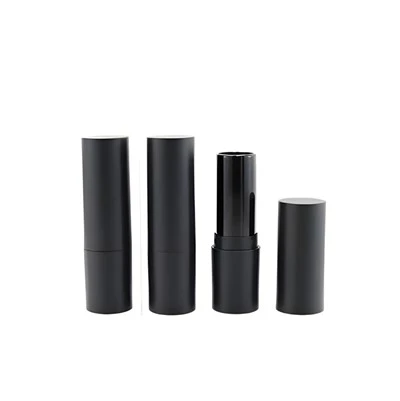
1. Packaging Design for Transportation
The first step in ensuring smooth transportation of bamboo packaging lies in its design. Bamboo is a natural material that, while strong, can be susceptible to damage if not properly protected. We design our bamboo packaging with transportation in mind. For instance, the shape of the packaging should be optimized to minimize the risk of breakage. Sharp corners or edges can be more easily damaged during handling, so we often round them off.
We also consider the stacking ability of the bamboo packaging. Stacking is a common practice during transportation, especially in containers. By designing our packaging to stack neatly and stably, we reduce the chances of it toppling over and getting damaged. Additionally, we use internal dividers or inserts when necessary. These can help keep the contents of the packaging in place and prevent them from shifting during transit, which could otherwise cause damage to the bamboo itself.
2. Mode of Transportation
There are several modes of transportation available, each with its own advantages and disadvantages for bamboo packaging.
Road Transportation
Road transportation is often the most flexible option. It allows for direct delivery to the customer’s location, which can be especially beneficial for local or regional customers. Trucks can be loaded and unloaded relatively quickly, reducing the time the bamboo packaging is in transit. However, road transportation also has its limitations. Long – distance road trips can expose the packaging to vibrations and rough roads, which may cause damage. Additionally, traffic congestion can lead to delays, and the carbon footprint of road transportation is relatively high compared to some other options.
Rail Transportation
Rail transportation is a more environmentally friendly option compared to road transportation. Trains can carry a large volume of bamboo packaging, which is cost – effective for bulk shipments. The movement of trains is generally more stable than that of trucks, reducing the risk of damage due to vibrations. However, rail transportation may not offer door – to – door service, which means additional handling and transportation may be required at the origin and destination. This can increase the risk of damage during the transfer process.
Sea Transportation
For international shipments or long – distance domestic shipments, sea transportation is a popular choice. Shipping containers can hold a significant amount of bamboo packaging, and the cost per unit of transportation is relatively low for large volumes. However, sea transportation has a long transit time, which means the bamboo packaging is exposed to the elements and potential damage for an extended period. Moisture in the shipping container can be a major concern, as bamboo is a natural material that can absorb moisture. This may lead to warping, mold growth, or other forms of damage. To mitigate this risk, we use moisture – resistant coatings on our bamboo packaging and include desiccants in the shipping containers.
Air Transportation
Air transportation is the fastest option, which is ideal for urgent orders or high – value bamboo packaging. It also has a relatively low risk of damage due to the short transit time and careful handling procedures at airports. However, air transportation is the most expensive mode of transportation, and it is not suitable for large – scale or heavy shipments.
3. Packaging Materials for Protection during Transportation
In addition to the design of the bamboo packaging itself, we use additional packaging materials to protect it during transportation.
Cushioning Materials
Foam, bubble wrap, and corrugated cardboard are commonly used as cushioning materials. These materials help absorb shocks and vibrations during transit, protecting the bamboo from damage. For example, when shipping fragile bamboo products such as bamboo bowls or vases, we wrap them individually in bubble wrap and then place them in a box filled with foam peanuts or shredded cardboard.
Strapping and Banding
To keep the bamboo packaging secure during transportation, we use strapping and banding materials. Plastic or steel straps can be used to hold multiple packages together, preventing them from shifting or falling during handling. Banding can also be used to reinforce the structure of larger bamboo packaging items.
Weather – Resistant Covers
As mentioned earlier, moisture and other weather conditions can be a threat to bamboo packaging during transportation. We use weather – resistant covers such as plastic tarps or shrink – wrap to protect the packaging from rain, snow, and excessive humidity. These covers can be easily removed at the destination, leaving the bamboo packaging in good condition.
4. Customs and Regulatory Considerations
When transporting bamboo packaging across international borders, we need to be aware of customs and regulatory requirements. Different countries have different rules regarding the import of bamboo products. Some countries may require phytosanitary certificates to ensure that the bamboo is free from pests and diseases. We work closely with our customers and shipping agents to ensure that all the necessary documentation is in place before the shipment is dispatched.
In addition, there may be restrictions on the use of certain packaging materials or treatments. For example, some countries may have regulations against the use of certain types of chemicals in the treatment of bamboo. We stay updated on these regulations to ensure that our bamboo packaging complies with all the relevant requirements.
5. Cost Considerations
Cost is always a major factor in transportation. As a bamboo packaging supplier, we need to balance the cost of transportation with the quality of service and the protection of our products. We negotiate with shipping companies to get the best rates for our shipments. We also consider the volume and weight of our bamboo packaging when choosing the mode of transportation. For small – volume shipments, air transportation may be too expensive, while for large – volume shipments, sea transportation may be the most cost – effective option.
We also look for ways to optimize our shipping routes. By choosing the most direct and efficient routes, we can reduce transportation costs and transit times. Additionally, we try to consolidate shipments whenever possible. This means combining multiple orders into a single shipment, which can lead to cost savings through economies of scale.
6. Environmental Sustainability in Transportation
As a supplier of bamboo packaging, we are committed to environmental sustainability. We recognize that transportation is a significant contributor to carbon emissions, and we take steps to minimize our environmental impact.
We try to use more environmentally friendly modes of transportation whenever possible. As mentioned earlier, rail and sea transportation have a lower carbon footprint compared to road and air transportation. We also encourage our customers to choose these more sustainable options when placing orders.
In addition, we are constantly exploring ways to reduce the weight of our bamboo packaging without compromising its strength or functionality. A lighter package requires less energy to transport, which in turn reduces carbon emissions. We also use recyclable and biodegradable packaging materials for protection during transportation, such as corrugated cardboard and paper – based cushioning materials.
Conclusion

In conclusion, transportation is a complex but essential aspect of our bamboo packaging business. By considering the design of the packaging, the mode of transportation, the use of protective materials, customs and regulatory requirements, cost, and environmental sustainability, we can ensure that our bamboo packaging reaches our customers in the best possible condition.
Skincare Packaging If you are interested in our bamboo packaging products and would like to discuss your procurement needs, please feel free to contact us. We are more than happy to provide you with detailed product information, pricing, and shipping options. We look forward to working with you to meet your packaging requirements.
References
- "Packaging Design for Transport and Logistics" – A comprehensive book on packaging design principles for transportation.
- International Maritime Organization (IMO) regulations on the transportation of goods by sea.
- Customs and Border Protection guidelines of various countries for the import of bamboo products.
Shanghai Medellin Technology Co., Ltd.
As one of the most professional bamboo packaging manufacturers and suppliers in China, we serve over 200 renowned cosmetic companies in Italy and France. Please rest assured to wholesale bulk high quality bamboo packaging from our factory. Also, custom service is available.
Address: No. 298, Lianrong Building, Linping District, Hangzhou, Zhejiang, China
E-mail: sales@toppackaging.cn
WebSite: https://www.medellin-cn.com/
