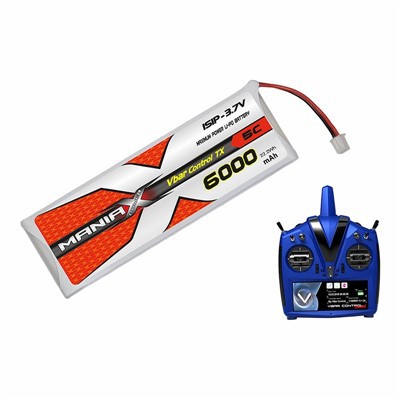
As a supplier of 30C – 35C RC aircraft LiPo batteries, I’ve often been asked about the maximum number of charge – discharge cycles these batteries can endure. This question is not only crucial for hobbyists and professional RC pilots but also significantly impacts the perception of the cost – effectiveness and quality of our products. In this blog, I’ll delve into this topic, sharing the scientific principles, influencing factors, and some practical insights based on our experience. 30C-35C RC Aircraft Lipo Battery
Understanding LiPo Batteries and C – Ratings
Before discussing the charge – discharge cycles, it’s essential to understand what LiPo batteries are and the significance of the 30C – 35C rating. LiPo, or Lithium – Polymer, batteries are a popular choice for RC aircraft due to their high energy density, light weight, and ability to provide high current outputs. The C – rating indicates the battery’s discharge rate. A 30C – 35C battery can theoretically discharge at a current 30 to 35 times its amp – hour (Ah) rating. For example, a 2Ah battery with a 30C rating can discharge at a maximum current of 60 amps (30 x 2). This high – power output is essential for RC aircraft, enabling high – speed maneuvers and excellent performance.
Theoretical Maximum Charge – Discharge Cycles
The theoretical maximum number of charge – discharge cycles for a LiPo battery is influenced by its chemical composition and design. Generally, high – quality LiPo batteries are designed to last between 300 to 500 full charge – discharge cycles under ideal conditions. However, this number can vary significantly in real – world applications. Our 30C – 35C RC aircraft LiPo batteries are engineered to meet the high – performance demands of RC flying, and we strive to ensure they reach or exceed the industry – standard cycle life.
Factors Affecting the Number of Charge – Discharge Cycles
Charging Practices
The way a LiPo battery is charged has a profound impact on its cycle life. Overcharging is one of the most common causes of premature battery failure. When a LiPo battery is overcharged, it can lead to the formation of lithium metal deposits on the electrodes, which can cause internal short – circuits and reduce the battery’s capacity over time. To mitigate this risk, it’s crucial to use a high – quality charger specifically designed for LiPo batteries and to set the charging parameters correctly. Our company recommends a constant – current, constant – voltage (CC – CV) charging method, which helps to ensure a safe and efficient charge.
Undercharging can also be detrimental to the battery’s health. If a battery is not fully charged, it may not be able to deliver its full capacity during subsequent discharges, leading to reduced performance and a shorter overall lifespan. We advise customers to avoid frequent partial charging and aim for a full charge whenever possible.
Discharging Conditions
The depth of discharge (DoD) is another critical factor in determining the battery’s cycle life. A deeper DoD means that more of the battery’s capacity is being used during each discharge cycle. Generally, LiPo batteries have a longer cycle life when they are discharged to a shallower depth. For example, if a battery is only discharged to 50% of its capacity (50% DoD) instead of 100% (100% DoD), it can potentially endure many more cycles. In RC aircraft applications, it’s advisable to land the aircraft before the battery is completely depleted to extend its lifespan.
The discharge rate also affects the battery’s cycle life. Higher discharge rates, such as those required during high – speed maneuvers in RC flying, can generate more heat and stress on the battery. This can accelerate the degradation of the battery’s internal components and reduce its overall cycle life. Our 30C – 35C batteries are designed to handle high – rate discharges, but it’s still important to avoid continuous high – rate discharges whenever possible.
Storage Conditions
Proper storage is essential for maintaining the health of LiPo batteries. When a battery is stored for an extended period, it should be kept at a moderate temperature and at a partial state of charge. A recommended storage voltage for LiPo batteries is around 3.8V per cell. Storing the battery at a full charge or a completely discharged state for a long time can cause irreversible damage to the battery’s electrodes and reduce its cycle life. Additionally, extreme temperatures can also have a negative impact on the battery. High temperatures can accelerate the chemical reactions inside the battery, leading to faster degradation, while low temperatures can reduce the battery’s capacity and performance.
Real – World Performance and Our Experience
In real – world RC aircraft applications, the number of charge – discharge cycles our 30C – 35C LiPo batteries can achieve varies depending on how they are used. Many of our customers have reported getting between 200 to 400 cycles from our batteries, depending on their charging, discharging, and storage practices. Pilots who follow our recommended usage guidelines, such as using a proper charger, avoiding deep discharges, and storing the batteries correctly, tend to get better cycle life from our products.
We also conduct regular quality control tests on our batteries to ensure their performance and reliability. Our in – house testing facilities simulate different charging, discharging, and storage conditions to evaluate the long – term performance of our batteries. These tests help us to continuously improve our product design and manufacturing processes to enhance the cycle life and overall quality of our 30C – 35C RC aircraft LiPo batteries.
Tips for Extending Battery Cycle Life
Use a Quality Charger
Invest in a high – quality LiPo charger that has built – in safety features such as overcharge protection, over – current protection, and cell – balancing capabilities. A good charger will help to ensure a safe and efficient charge, which is essential for extending the battery’s cycle life.
Monitor the Depth of Discharge
Keep an eye on the battery’s voltage during flight and land the aircraft before the battery is fully depleted. Using a battery voltage monitor can help you to accurately track the battery’s state of charge and avoid deep discharges.
Store Batteries Properly
When not in use, store the batteries at a moderate temperature and at a partial state of charge. This will help to prevent damage to the battery’s electrodes and maintain its capacity over time.
Conclusion
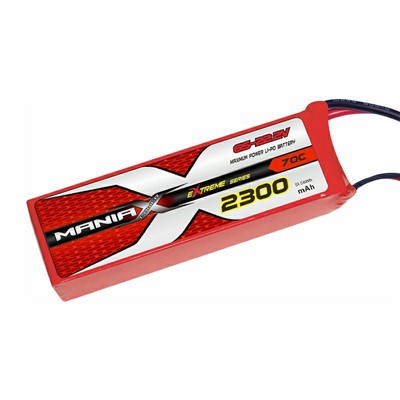
The maximum number of charge – discharge cycles for a 30C – 35C RC aircraft LiPo battery is influenced by a variety of factors, including charging practices, discharging conditions, and storage methods. While the theoretical maximum is between 300 to 500 cycles, real – world performance can vary. By following our recommended usage guidelines, customers can expect to get a good number of cycles from our high – quality 30C – 35C LiPo batteries.
RC Racing Car Battery If you’re interested in purchasing our 30C – 35C RC aircraft LiPo batteries or have any questions about our products, we’d love to hear from you. Contact us to start a discussion about your specific needs and to explore how our batteries can enhance your RC flying experience.
References
- Linden, D., & Reddy, T. B. (2002). Handbook of Batteries. McGraw – Hill Professional.
- Harris, R. (2017). Understanding LiPo Batteries in RC Applications. RC Modeler’s Digest.
ManiaX Power Technology Co., Ltd.
ManiaX Power Technology Co., Ltd. is one of the most reliable 30c-35c rc aircraft lipo battery manufacturers and suppliers in China, also supports customized service. Please feel free to wholesale bulk durable 30c-35c rc aircraft lipo battery made in China here from our factory.
Address: Room 1508, 15/F, Two Grand tower, 625 Nathan Road, Kowloon, HongKong. P.R. China
E-mail: info@maniax-power.com
WebSite: https://www.maniaxpower.com/
