Potassium sorbate is a widely used preservative in the food industry, valued for its effectiveness in inhibiting the growth of various microorganisms. As a supplier of potassium sorbate, I’ve witnessed firsthand its impact on the food industry and the microbial communities within food products. In this blog, I’ll delve into how potassium sorbate affects microbial populations, exploring its mechanisms of action, benefits, and implications for food safety and quality. Potassium Sorbate

Understanding Potassium Sorbate
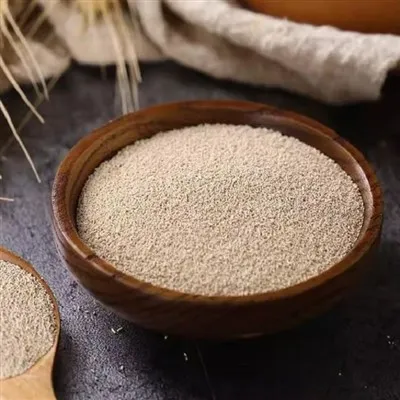
Potassium sorbate (C₆H₇KO₂) is the potassium salt of sorbic acid, a natural compound found in some berries. It is a white crystalline powder with a slightly bitter taste. Due to its excellent antimicrobial properties, it has become a staple in the preservation of a wide range of food products, including baked goods, dairy products, beverages, and processed meats.
One of the key advantages of potassium sorbate is its broad – spectrum activity against yeasts, molds, and some bacteria. It is effective at low concentrations and is generally recognized as safe (GRAS) by regulatory authorities such as the United States Food and Drug Administration (FDA) and the European Food Safety Authority (EFSA).
Mechanisms of Action
The antimicrobial activity of potassium sorbate is primarily based on its ability to disrupt the normal functioning of microbial cells. When potassium sorbate is added to food, it dissociates into sorbate anions and potassium cations. The sorbate anions are the active antimicrobial agents.
Disruption of Cell Membranes
Sorbate anions can penetrate the cell membranes of microorganisms. Once inside the cell, they can disrupt the integrity of the membrane, leading to the leakage of cellular contents. This disruption affects vital functions such as nutrient uptake, waste removal, and energy production. For example, in yeasts, the sorbate anions can interfere with the transport of essential nutrients like glucose across the cell membrane, starving the cells and inhibiting their growth.
Inhibition of Enzyme Activity
Potassium sorbate can also inhibit the activity of key enzymes within microbial cells. Enzymes are proteins that catalyze biochemical reactions necessary for the survival and growth of microorganisms. Sorbate anions can bind to the active sites of these enzymes, preventing them from functioning properly. For instance, it can inhibit enzymes involved in the citric acid cycle, which is a central metabolic pathway in many microorganisms. By blocking this pathway, potassium sorbate disrupts the production of energy in the form of ATP (adenosine triphosphate), leading to the death or growth inhibition of the microorganisms.
Alteration of pH and Osmotic Balance
In addition to its direct effects on cell membranes and enzymes, potassium sorbate can also affect the pH and osmotic balance within microbial cells. The presence of sorbate anions can change the internal pH of the cell, which can have a significant impact on enzyme activity and other cellular processes. Moreover, it can create an osmotic imbalance, causing water to move in or out of the cell, leading to cell shrinkage or swelling and ultimately cell death.
Impact on Different Microorganisms
Yeasts
Yeasts are a common cause of spoilage in many food products, especially in bakery goods and fermented beverages. Potassium sorbate is highly effective against most yeast species. It can prevent the growth of yeasts by inhibiting their ability to ferment sugars and produce carbon dioxide. This is particularly important in bakery products, as the growth of yeasts can lead to off – flavors, mold growth, and a reduced shelf – life. By adding potassium sorbate, bakers can extend the freshness of their products and maintain their quality.
Molds
Molds are another major concern in the food industry, as they can produce mycotoxins, which are harmful to human health. Potassium sorbate has strong antifungal properties and can effectively inhibit the growth of a wide variety of molds. It works by preventing the germination of mold spores and the growth of mycelium. In dairy products, for example, the addition of potassium sorbate can prevent the growth of mold on the surface, ensuring the safety and quality of the product during storage.
Bacteria
While potassium sorbate is more effective against yeasts and molds, it also has some antibacterial activity. It can inhibit the growth of certain Gram – positive bacteria, such as Lactobacillus and Staphylococcus. However, its antibacterial effect is generally less pronounced compared to its antifungal activity. In some cases, the combination of potassium sorbate with other preservatives or antimicrobial agents may be necessary to achieve optimal antibacterial protection in food products.
Benefits of Using Potassium Sorbate in Food
Extended Shelf – Life
One of the most significant benefits of using potassium sorbate is the extension of the shelf – life of food products. By inhibiting the growth of microorganisms, it reduces the rate of spoilage, allowing food to remain fresh and safe for consumption for a longer period. This is particularly important for products that are not refrigerated or have a long distribution chain, as it helps to maintain the quality of the product from the production facility to the consumer’s table.
Preservation of Nutritional Value
In addition to extending the shelf – life, potassium sorbate can also help to preserve the nutritional value of food. Microorganisms can degrade vitamins, minerals, and other nutrients in food during the spoilage process. By preventing microbial growth, potassium sorbate helps to maintain the nutritional integrity of the product, ensuring that consumers receive the full benefits of the food they are consuming.
Cost – Effectiveness
Potassium sorbate is a cost – effective preservative. It is relatively inexpensive to produce and can be used at low concentrations, making it an attractive option for food manufacturers. By using potassium sorbate, manufacturers can reduce the amount of food waste due to spoilage, which can result in significant cost savings in the long run.
Implications for Food Safety
Regulatory Compliance
As a supplier of potassium sorbate, I understand the importance of regulatory compliance in the food industry. Potassium sorbate is subject to strict regulations regarding its use in food products. These regulations specify the maximum allowable levels of potassium sorbate in different types of food, as well as the labeling requirements. It is essential for food manufacturers to comply with these regulations to ensure the safety of their products and to avoid legal issues.
Consumer Perception
Consumer perception of food preservatives is also an important factor to consider. While potassium sorbate is generally recognized as safe, some consumers may have concerns about the use of preservatives in their food. As a supplier, I work closely with my customers to provide them with accurate information about potassium sorbate and its benefits. By educating consumers about the role of potassium sorbate in ensuring food safety and quality, we can help to alleviate their concerns and build trust in the products they purchase.
Conclusion
Potassium sorbate plays a crucial role in the food industry by inhibiting the growth of microorganisms and extending the shelf – life of food products. Its mechanisms of action, including disruption of cell membranes, inhibition of enzyme activity, and alteration of pH and osmotic balance, make it an effective antimicrobial agent against yeasts, molds, and some bacteria. The use of potassium sorbate offers numerous benefits, such as extended shelf – life, preservation of nutritional value, and cost – effectiveness.
Sucralose As a potassium sorbate supplier, I am committed to providing high – quality products that meet the strictest regulatory requirements. If you are a food manufacturer looking for a reliable and effective preservative solution, I encourage you to contact me to discuss your specific needs and explore how potassium sorbate can enhance the safety and quality of your food products.
References
- Davidson, P. M., & Harrison, M. A. (2002). Antimicrobial food preservatives. Marcel Dekker.
- Sofos, J. N., & Busta, F. F. (1993). Food preservation by combined methods. Springer Science & Business Media.
- Roller, S., & Seedhar, S. (2002). Natural antimicrobials for the minimal processing of foods. CRC Press.
Fudijia (Tianjin) Supply Chain Co., Ltd.
With abundant experience, we re one of the most professional potassium sorbate manufacturers and suppliers in China. We warmly welcome you to wholesale bulk high quality potassium sorbate made in China here from our factory. For more information, contact us now.
Address: 301-2-1C,Jin Bin Jie Zuo,No.98, Huanghai Road,TEDA, Tianjin, China
E-mail: foodchem@hjlfoods.com
WebSite: https://www.ifoodchem.com/
