In the realm of industrial machinery and equipment, hydraulic motors play a pivotal role in converting hydraulic pressure into mechanical power. As a trusted supplier of hydraulic motors, I’ve had the privilege of witnessing firsthand the diverse applications and performance requirements these devices must meet. One of the most critical aspects of hydraulic motor operation is understanding and managing pressure requirements. In this blog post, I’ll delve into the key factors that influence pressure needs and how they impact the selection and use of hydraulic motors. Hydraulic Motor

Understanding Hydraulic Pressure Basics
Before we dive into the specific pressure requirements for hydraulic motors, it’s essential to have a solid grasp of the fundamental principles of hydraulic pressure. Hydraulic systems rely on the force exerted by a fluid, typically oil, to transmit power. Pressure is defined as the force applied per unit area and is measured in units such as pounds per square inch (psi) or bars.
In a hydraulic system, a hydraulic pump generates pressure by forcing fluid through the system. The pressure then acts on the hydraulic motor, causing it to rotate and produce mechanical power. The amount of pressure required to drive the motor depends on several factors, including the motor’s design, the load it needs to overcome, and the desired operating speed.
Factors Influencing Pressure Requirements
Motor Design and Type
Different types of hydraulic motors have varying pressure requirements based on their internal design and operating principles. Gear motors, for example, are typically used in low to medium-pressure applications, with maximum operating pressures ranging from 1,500 to 3,000 psi (103 to 207 bar). These motors are known for their simplicity, compact size, and relatively low cost.
Vane motors, on the other hand, can operate at higher pressures, typically up to 3,500 psi (241 bar). They offer higher efficiency and smoother operation compared to gear motors, making them suitable for a wider range of applications.
Piston motors are the most versatile and can handle the highest pressures, often exceeding 5,000 psi (345 bar). These motors are commonly used in high-torque, heavy-duty applications such as construction equipment, mining machinery, and industrial presses.
Load and Torque Requirements
The load that a hydraulic motor needs to drive is a significant factor in determining the pressure requirements. Higher loads require more torque to overcome, which in turn necessitates higher operating pressures. For example, a hydraulic motor used to lift a heavy load in a crane will require a much higher pressure than a motor used to drive a conveyor belt with a light load.
The torque output of a hydraulic motor is directly proportional to the pressure and the displacement of the motor. Displacement refers to the volume of fluid displaced by the motor per revolution and is typically measured in cubic inches per revolution (in³/rev) or cubic centimeters per revolution (cm³/rev). A motor with a larger displacement will produce more torque at a given pressure, but it may also require more fluid flow to operate at the desired speed.
Operating Speed
The operating speed of a hydraulic motor also affects the pressure requirements. Generally, as the speed of the motor increases, the pressure required to maintain the same torque output also increases. This is because the fluid needs to flow through the motor more quickly, which creates more resistance and requires additional pressure to overcome.
However, there is a limit to the maximum speed at which a hydraulic motor can operate efficiently. Exceeding this speed can result in increased wear and tear on the motor, reduced efficiency, and even damage to the motor components. Therefore, it’s important to select a motor that is capable of operating within the desired speed range while maintaining the required pressure.
Pressure Ratings and Safety Considerations
When selecting a hydraulic motor, it’s crucial to pay attention to the pressure ratings specified by the manufacturer. These ratings indicate the maximum pressure that the motor can safely withstand under normal operating conditions. Exceeding the rated pressure can lead to catastrophic failure of the motor, resulting in costly downtime and potential safety hazards.
In addition to the maximum pressure rating, many hydraulic motors also have a recommended operating pressure range. Operating the motor within this range can help ensure optimal performance, efficiency, and longevity. It’s also important to consider any pressure fluctuations or transients that may occur during normal operation, as these can also affect the motor’s performance and durability.
To protect the hydraulic motor and the overall system from overpressure, it’s common to install pressure relief valves. These valves are designed to open and release excess pressure when it exceeds a pre-set limit, preventing damage to the system components. Regular maintenance and inspection of the pressure relief valves are essential to ensure they are functioning properly and providing reliable protection.
Pressure Management and System Design
Proper pressure management is essential for the efficient and reliable operation of hydraulic motors. This involves selecting the right components, designing the system to minimize pressure losses, and monitoring and controlling the pressure during operation.
Component Selection
When selecting a hydraulic motor, it’s important to choose one that is compatible with the pressure requirements of the application. This includes considering the motor’s maximum pressure rating, displacement, and efficiency. In addition, the other components in the hydraulic system, such as the pump, valves, and hoses, must also be able to handle the required pressure.
System Design
The design of the hydraulic system can have a significant impact on the pressure requirements of the motor. Minimizing pressure losses in the system can help reduce the amount of pressure needed to drive the motor, improving efficiency and reducing energy consumption. This can be achieved by using properly sized hoses and fittings, minimizing the length of the fluid paths, and optimizing the valve configurations.
Pressure Monitoring and Control
Monitoring the pressure in the hydraulic system is essential for detecting any abnormal conditions or potential problems. Pressure gauges can be installed at various points in the system to provide real-time feedback on the pressure levels. In addition, pressure sensors can be used to automatically control the operation of the system, adjusting the pressure as needed to maintain optimal performance.
Conclusion
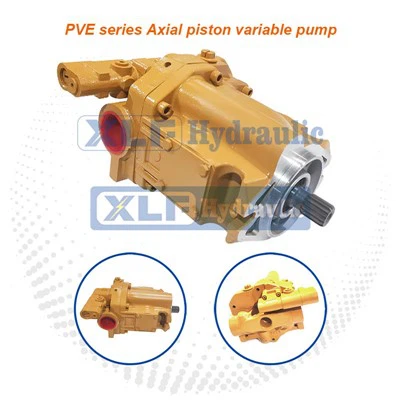
Understanding the pressure requirements for hydraulic motors is critical for selecting the right motor for the application, ensuring optimal performance, and maintaining the safety and reliability of the hydraulic system. By considering factors such as motor design, load and torque requirements, operating speed, and pressure ratings, you can make informed decisions and choose the hydraulic motor that best meets your needs.
Paker Series As a leading supplier of hydraulic motors, we are committed to providing our customers with high-quality products and expert advice. Our team of experienced engineers can help you select the right motor for your application and assist you with system design and pressure management. If you have any questions or need more information about hydraulic motor pressure requirements, please don’t hesitate to contact us. We look forward to the opportunity to work with you and help you achieve your industrial automation goals.
References
- "Hydraulic Systems and Fluid Power: Theory and Applications" by Anthony Esposito
- "Fluid Power with Applications" by Anthony Esposito
- Manufacturer’s literature and technical specifications for hydraulic motors
Wuhan Xinlaifu Hydraulic Equipment Co., Ltd.
Address: Liansu Industrial Park, No.1, Xincheng 11th Road, Dongxihu District, Wuhan, Hubei, China
E-mail: service@xlf-hydraulic.com
WebSite: https://www.xlf-hydraulic.com/
