If you’ve ever wandered around a construction site, a farm, or a residential backyard, you’ve probably seen that grey, pipe-like stuff that looks tough enough to handle almost anything. That’s PVC, and it’s become one of the most ubiquitous materials in plumbing and piping systems—no surprise, given how cheap, lightweight, and low-maintenance it is. But lately, I’ve been getting a lot of questions from folks: “Can PVC suction pipes actually hold up underground?” As someone who’s been selling PVC suction pipes for over a decade, I hear this all the time, and I’m here to break it down like I would to a buddy over a cold soda. Let’s get real about whether this pipe’s up for underground work, and what you need to know before you dig. PVC Suction Pipe
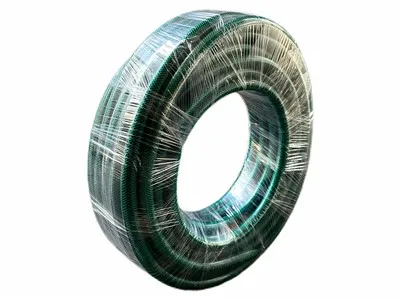
First, let’s clear up what a suction pipe even does, because that’s half the confusion. Suction pipes aren’t like regular pressure pipes—those are the ones that move water under force, like the line from your house to the city main. Suction pipes work on the other side of the pump, right? They pull fluid from a source (a well, a pond, a sump pit, whatever) into the pump, which then pushes it out through pressure pipes. That means suction pipes have way lower internal pressure—usually just atmospheric pressure, maxing out at like 15 psi for most small pumps—unlike pressure pipes that can handle 100 psi or more. But suction pipes have a different set of demands: they need to hold their shape when there’s vacuum inside, resist ground pressure from all that dirt above, and stand up to whatever’s in the soil around them.
Now, PVC’s core properties make it sound like a no-brainer for underground use at first glance. It’s corrosion-resistant—way more than metal pipes like steel or cast iron, which rust through in just a few years if you stick ’em in moist soil or even slightly acidic dirt. I’ve seen steel suction pipes rot from the inside out in a backyard well in 3 years, but PVC pipes I installed for a local farm 10 years ago still look brand new. That’s a huge win, because corrosion is the #1 reason underground pipes fail. No rust, no scaling, no weird gunk building up inside that slows flow down. Also, PVC’s lightweight—way easier to haul around a job site than 20-foot steel sticks, no need for a crane to lift a bundle of pipes. That saves time and money, which every contractor or homeowner loves.
But wait, it’s not all sunshine and dirt. The biggest myth I hear is that “PVC is too flimsy for underground burial.” Let’s talk about pressure first: suction pipes don’t need to handle high internal pressure, but they do face external pressure from the soil. If you bury a PVC pipe deep, like 5 feet down, and it’s not buried right, the weight of the dirt can actually crush it. That’s where the schedule rating comes in. Most PVC suction pipes I sell are Schedule 40, which is the standard for general use, but for deeper burying (like more than 3 feet) or in areas with really loose soil that packs down hard (like construction sites with heavy equipment driving over the ground), you need to step up to Schedule 80. Schedule 80 has thicker walls, so it can handle way more external pressure. I once had a customer try to use Schedule 40 pipe for a 4-foot deep drainage suction line in a spot that gets a lot of foot traffic—he crushed two pipes before I talked him into Schedule 80, and it’s been fine ever since.
Next up: temperature. PVC isn’t invincible to extreme heat or cold. If you bury it in soil that gets really hot—like in the desert Southwest, where ground temps can hit 140°F in the summer—PVC can soften a little, which makes it more susceptible to bending or crushing. On the flip side, super cold temps below freezing can make PVC brittle. Wait, but that’s not a dealbreaker for most underground use, right? The soil is a pretty good insulator. Unless you’re burying a line in super shallow, exposed soil in a place that gets constant deep freezes, you’re probably okay. I’ve had customers in Minnesota bury Schedule 40 suction pipes for their sump pumps, and they’ve lasted 15 years without cracking. The key is not burying the pipe too shallow in areas with extreme temps—keep it at least 1 foot below the frost line, usually.
Then there’s soil chemistry, which is the wild card. Most soil is neutral or slightly acidic, and PVC handles that great. But some soil has things like high sulfur, or is really acidic (like near old mining sites) or has harsh chemicals from runoff (like industrial areas or farm fields with fertilizer and pesticide runoff). In those cases, regular PVC might not hold up forever. Wait, but there’s modified PVC now—we sell PVC suction pipes that are made with UV inhibitors and chemical-resistant additives for these exact scenarios. I had a local orchard buy a batch for their irrigation suction lines, and they told me after 5 years, the pipe hasn’t discolored or weakened at all, even with all the fertilizer runoff. That’s a game-changer for folks in those areas.
Now, let’s talk about real-world applications because that’s what matters, not just specs. What do people actually use underground PVC suction pipes for? Sump pump lines—most basements have a sump pump suction pipe buried a foot or two deep that pulls water from the pit to the drain. That’s the most common use, and PVC works perfectly there. Agricultural wells—smaller farm wells use PVC suction pipes all the time to pull water up from the well casing. I’ve got regular farm customers who’ve been using our Schedule 40 pipes for their wells for 8+ years with zero issues. Drainage systems—French drains, foundation drains, suction lines for stormwater. Again, PVC is the go-to here because it’s cheap and corrosion-resistant. Even construction site dewatering—when you need to pump water out of a excavation, PVC suction pipes work great for short-term use, and even long-term if you pick the right schedule.
But let’s be honest, there are times when PVC suction pipes aren’t the best call. If you’re burying a line deeper than 10 feet, for example, the external soil pressure is so high that even Schedule 80 PVC might not cut it, and metal pipe would be better. If you’re dealing with super corrosive soil that has high concentrations of chemicals that even modified PVC can’t handle (like very strong acids or oils), you might need something else like HDPE or steel. And if you need to pull really high volumes of water, like for a municipal water suction line, PVC might not hold up to the slight vacuum fluctuations over time—for those, we usually recommend a more heavy-duty alternative, but for 90% of residential, farm, and light commercial applications, PVC is more than enough.
Wait, I should also mention installation, because even the best pipe will fail if you install it wrong. A lot of people think “just dig a hole, drop the pipe in, cover it up” and that’s it, but no. For underground PVC suction pipes, you want to make sure the trench is the right width—don’t cram the pipe in, leave a little space around it so the dirt packs evenly. You should also put a layer of sand or gravel at the bottom of the trench to keep the pipe from sitting on rocks that can puncture it. And when you bury it, don’t just pile heavy dirt on top right away—pack it in layers, so there are no air pockets or uneven weight that could crush the pipe. I had a customer once skip the sand layer, and a sharp rock punctured his suction pipe a year after installation, costing him a whole day of digging to fix it. That’s a mistake you don’t want to make.
Another thing: vacuum testing. Suction pipes are all about holding a vacuum, so after you install the pipe and before you bury it, you need to test it to make sure there are no leaks. You can use a simple vacuum pump to pull a vacuum of like 20 inches of mercury, and if it holds for 10 minutes, you’re good. If it drops, you’ve got a leak somewhere—probably a bad joint. PVC joints are easy to glue, but if you don’t do it right, you’ll have a leak. I always tell my customers to test every joint before burying, because digging up a buried pipe to fix a leak is a huge hassle.
Let’s get back to the original question: Can PVC suction pipes be used in underground applications? The answer is a resounding yes—for most cases. It’s not a one-size-fits-all, obviously. You have to pick the right schedule, the right type of PVC (regular vs. chemical-resistant), install it correctly, and keep it at the right depth. But when you do all that, PVC suction pipes outlast metal pipes by years, are way cheaper, require almost no maintenance, and work just as well if not better.
I’ve been in this business long enough to know that there’s a lot of bad info out there about PVC. Some old-timers swear by metal for everything underground, but they’re forgetting how far PVC technology has come. I’ve replaced steel suction pipes that lasted 5 years with PVC pipes that have lasted 12 years, and saved my customers thousands of dollars in the process. The key is doing your homework, not just guessing. If you’re not sure what kind of PVC suction pipe you need for your underground project—whether it’s a sump line, a well line, a drainage line, whatever—hit me up. I’ve helped hundreds of contractors and homeowners pick the right pipe, answer their questions about schedules, installation, and even troubleshooting. No weird sales pitches, just straight talk about what works and what doesn’t.
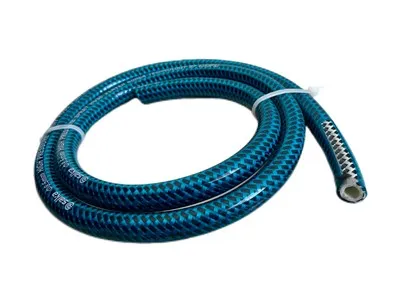
At the end of the day, PVC suction pipes are one of the most underrated, reliable materials for underground use out there. You don’t have to overcomplicate it—just match the pipe to your project, do the install right, and you’ll have a pipe that works for decades. If you’re planning an underground project and need to chat through what pipe you should be using, reach out. I’m here to help.
PVC Steel Wire Hose References
- National Association of Pipe and Fabricators. (2021). PVC Pipe Installation Guidelines for Underground Applications.
- American Society for Testing and Materials. (2019). Standard Specification for Thermoplastic Pressure Pipes (F477).
- Plastic Pipe and Fittings Association. (2022). PVC Pipe Performance in Soil and Corrosive Environments.
Weifang Xinzhiyuan Plastic Co., Ltd.
As one of the most experienced pvc suction pipe manufacturers and suppliers in China, we offer a wide range of products with superior quality. Please feel free to wholesale premium pvc suction pipe made in China here from our factory. We also accept customized orders.
Address: No. 700, Tongle Street, Economic Development Zone, Changle County, Weifang City, Shandong Province
E-mail: hua@xzypvchose.com
WebSite: https://www.pvchose-xzy.com/
